
The Land
In fact, when Mount Vesuvius in Italy erupted nearly two thousand years ago, it preserved the landscape paintings that decorated the homes of wealthy Romans.
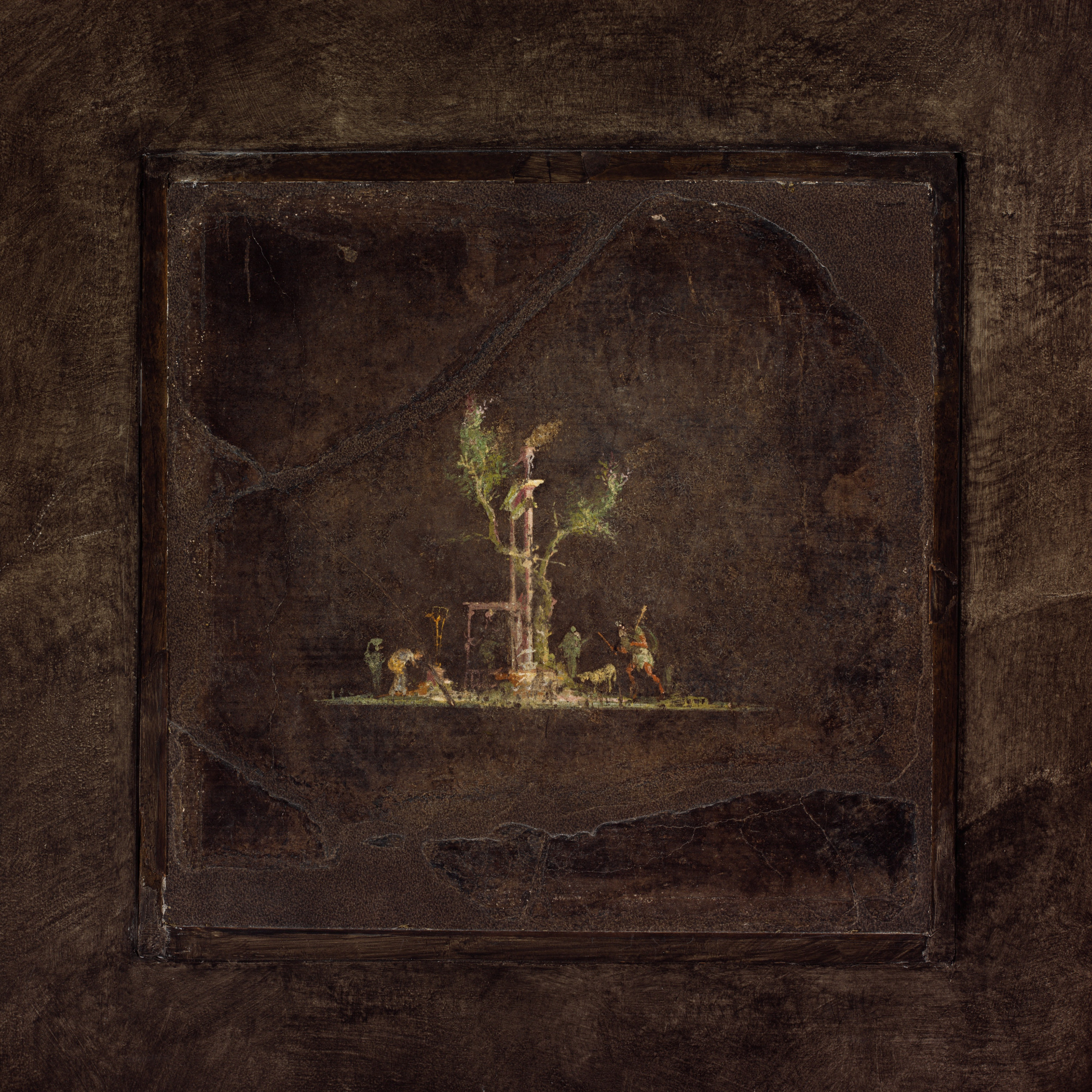
But, despite the ancient love for the great outdoors, landscapes became more of a background for a long time afterwards. We can spot them in religious scenes or in portraits, like the Mona Lisa.
In the 1600s that all changed and artists in the Netherlands made landscapes themselves the main subject of their paintings.
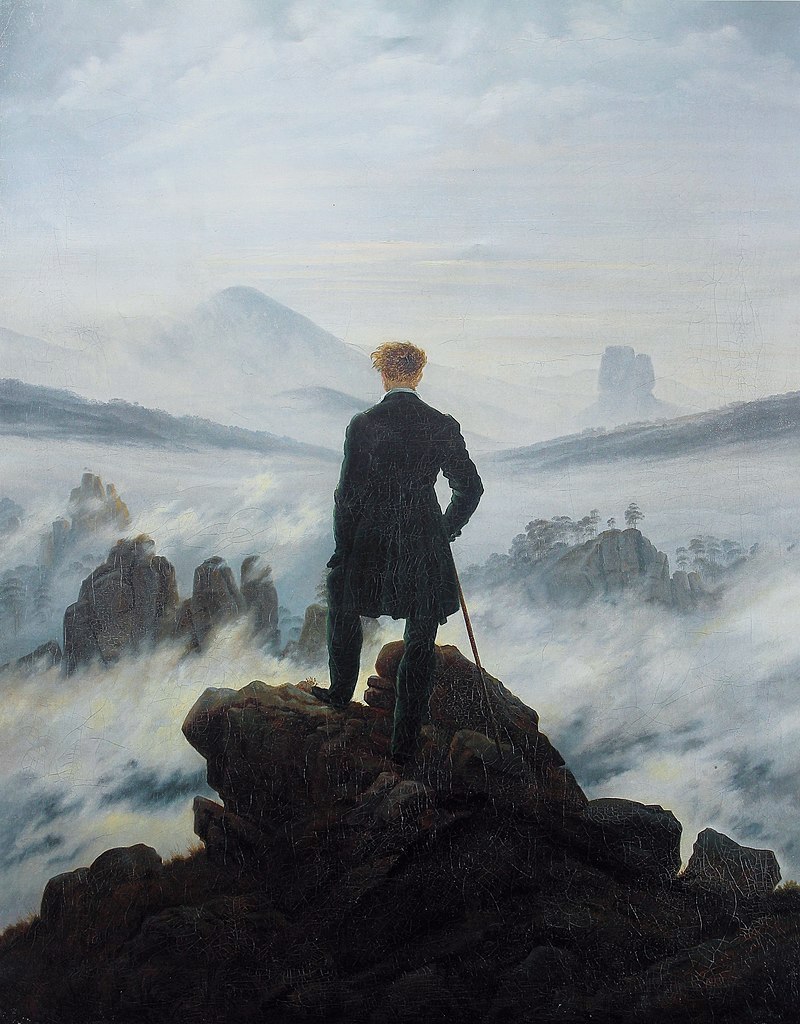
Eventually, landscapes became subjects for artists to express emotion and spiritual feeling. Romantic artist Caspar David Freidrich painted a famous scene in which a lonely wanderer looks out over an epic foggy landscape. You can’t help but wonder what he is thinking.
In China, landscapes became a genre much earlier than Europe. Artists worked in ink and used their work to capture feelings as well as political and philosophical ideas.
But it’s not just the wild and rolling landscape that inspires artists - the natural world bursts into art in lots of ways.
Persian carpet makers have captured intricate garden scenes in their work and some artists have focused on flowers in still life paintings.
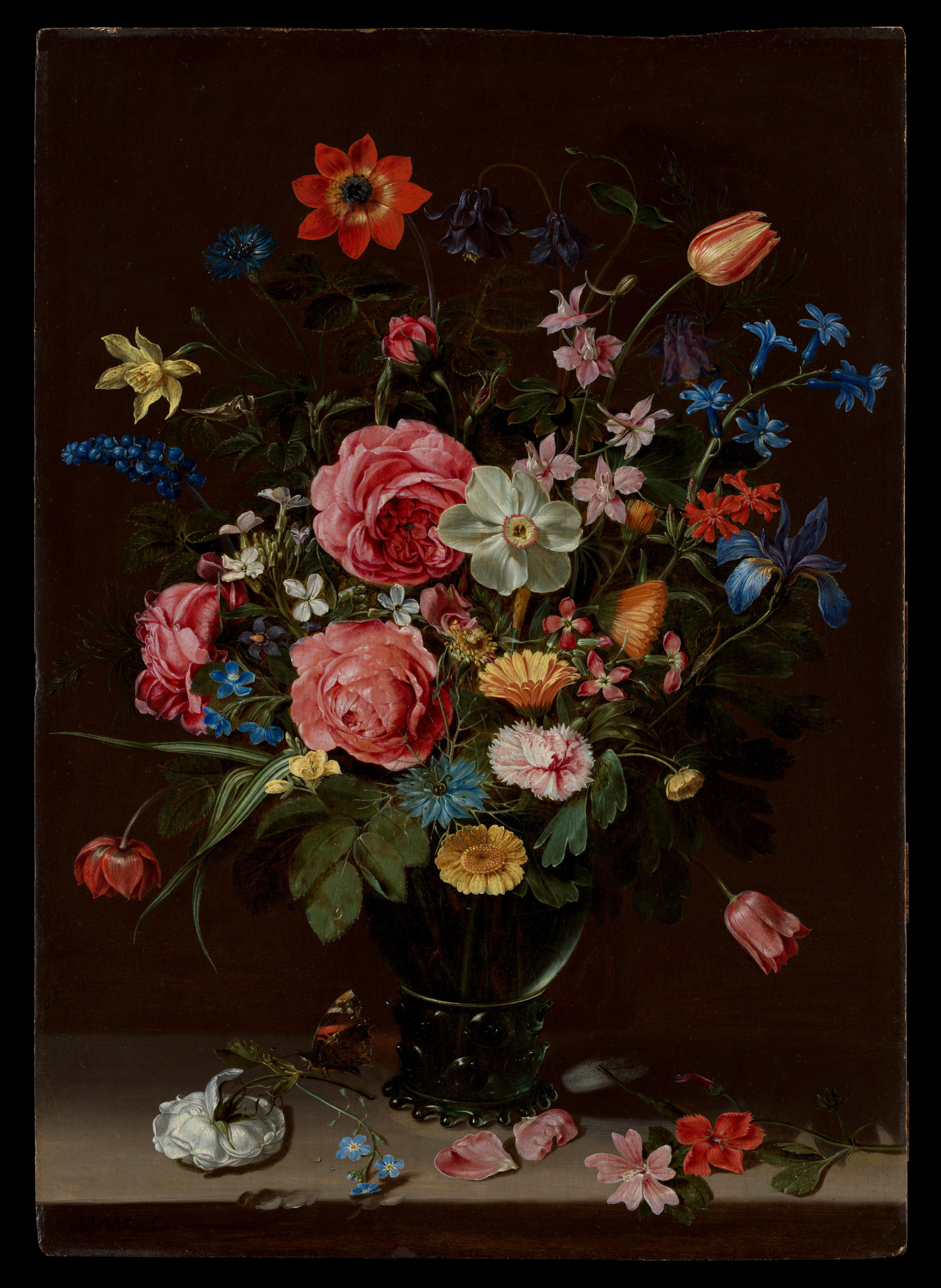
Van Gogh might be famous for his sunflowers but one of the greatest painters of flowers was Clara Peeters, a pioneering artist from the Netherlands and one of the few professional female artists of the 1600s.
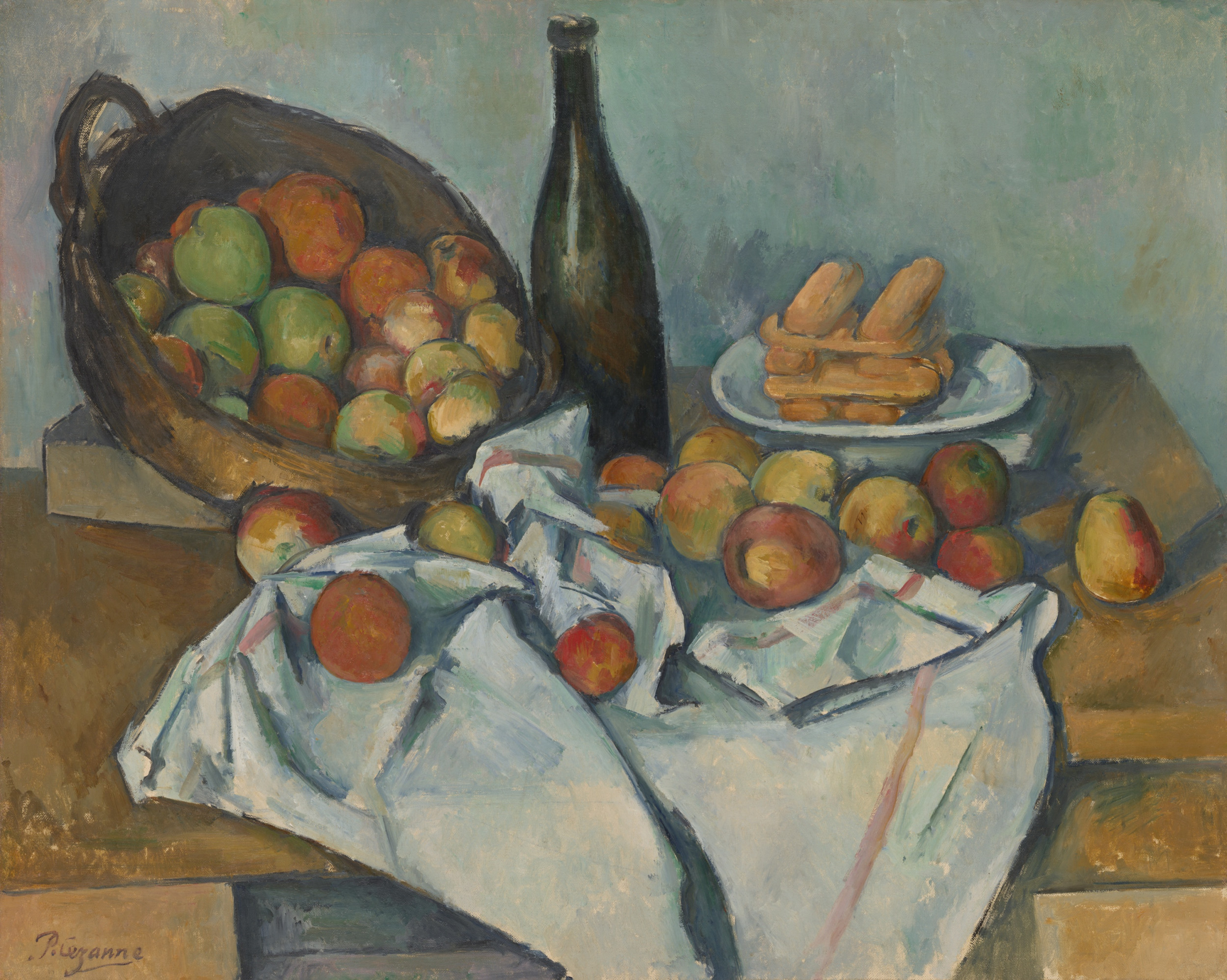
A basket of apples actually helped lead the way to cubism and the animal kingdom has been one of our favourite topics - from paintings on cave walls to nature documentaries.
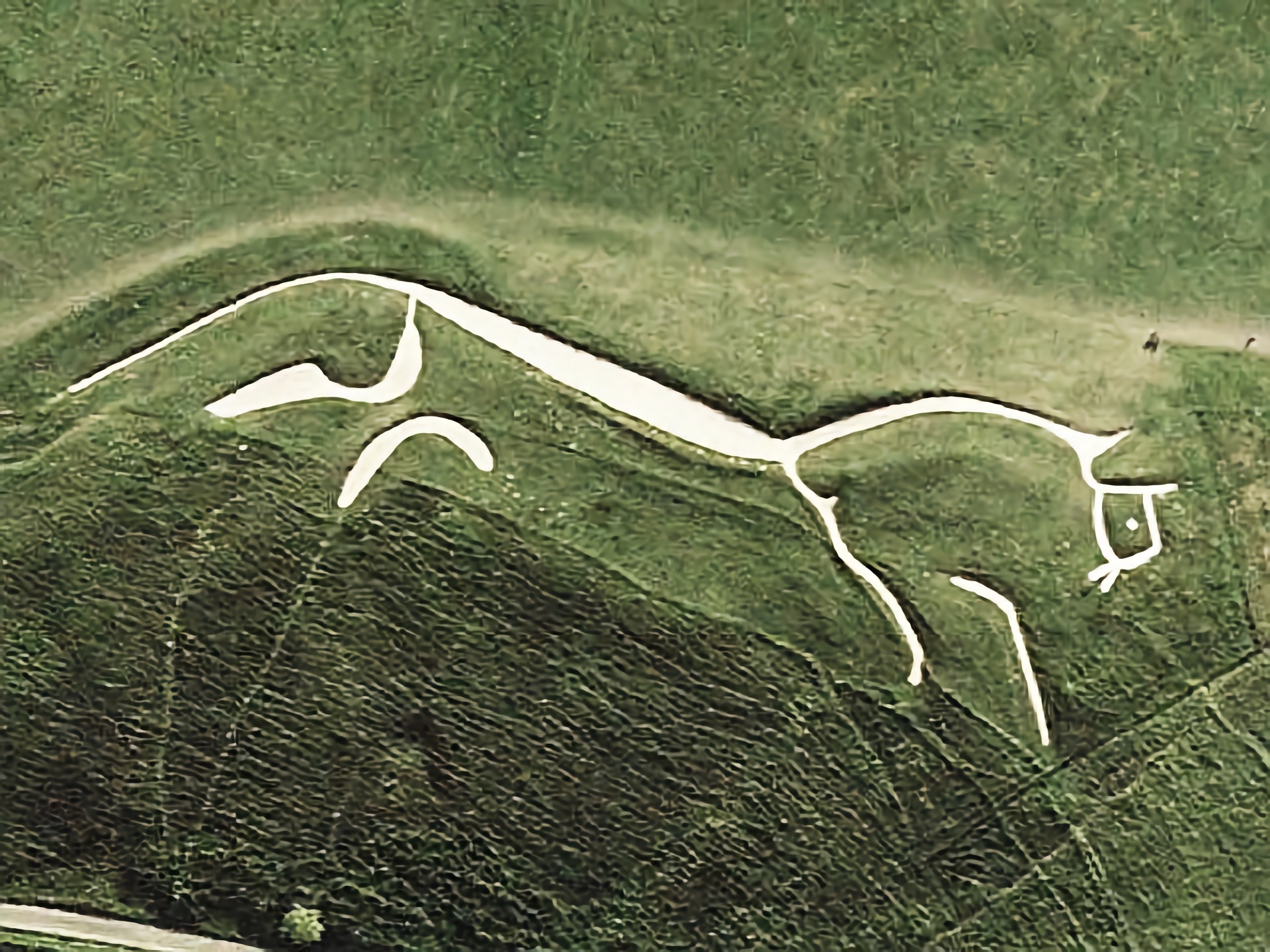
The land might have left its mark on us with all the ways it has inspired us but we’ve left our mark on it too - from the Nazca Lines in the deserts of Peru to the White Horses made from chalk on hillsides, to the sculptures you see driving down the motorway. One artist even walked up and down in a field to make a single straight line in the grass.
The land has even given us some of our most important tools for making art - clay, pigments, metal and wood.
So what are you waiting for… get outside and get inspired!
By Helena Hunt