The Face
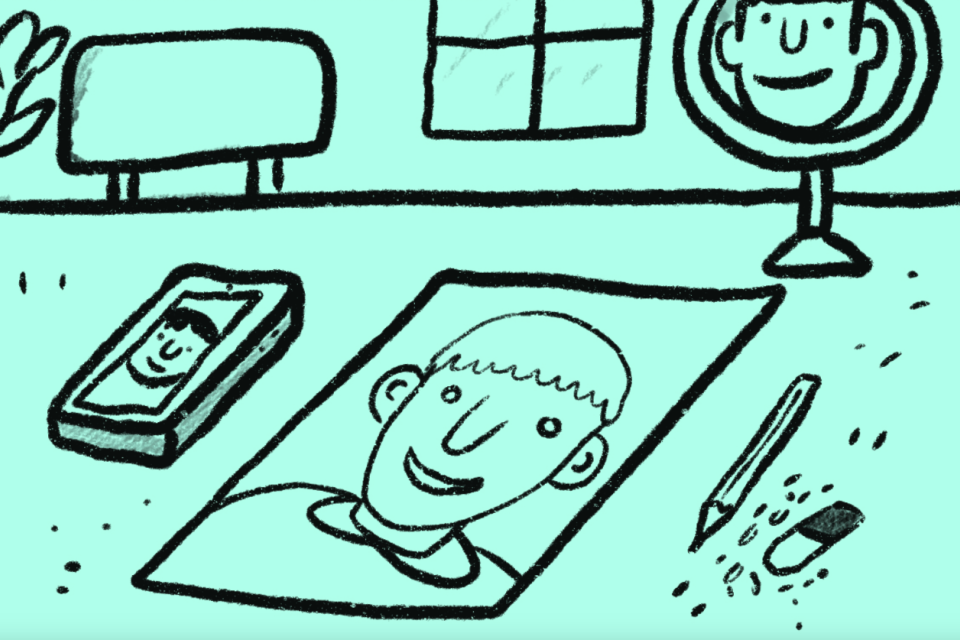
It's taken millions of years of evolution for you to look the way you do. Our faces have the power to communicate beyond words, reveal our deepest feelings, and keep our information safe. And for thousands of years, artists have been obsessed with them; from tiny ancient ivory figures to your selfies on your phone, we love to look at images of ourselves — and each other.
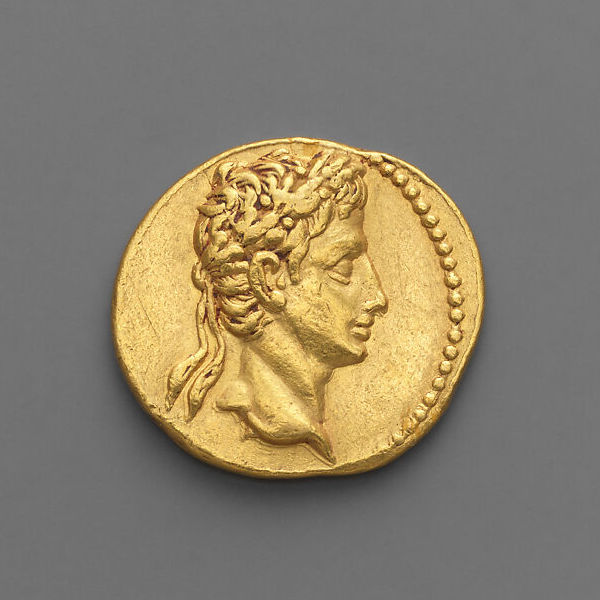
The Ancient Egyptians created some of the earliest portraits - although lots of them look kind of the same. Roman emperors even spread their power by putting their faces on coins.
Portrait artists around the world have used their paintings to capture the character of their sitters — from powerful people in Mughal India to the mysterious Mona Lisa.
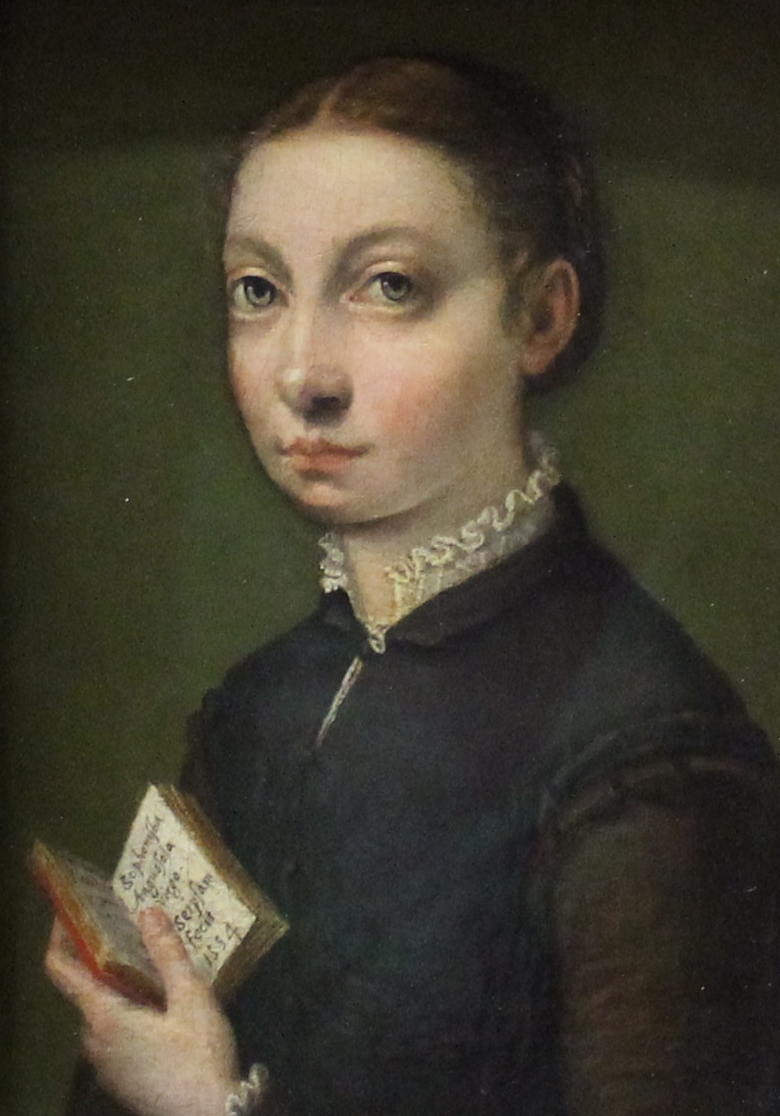
For some of the first women artists we know about, painting faces was one of the few ways they could show off their talent — other subjects weren’t considered for ladies. Sofonisba Anguissola was a Renaissance artist who painted at the court of King Philip II of Spain, but after her death, men sometimes got the credit for her work
Looking in the mirror has helped artists create some of their greatest works. Rembrandt created nearly 80 self-portraits throughout his life which capture him becoming an old man.
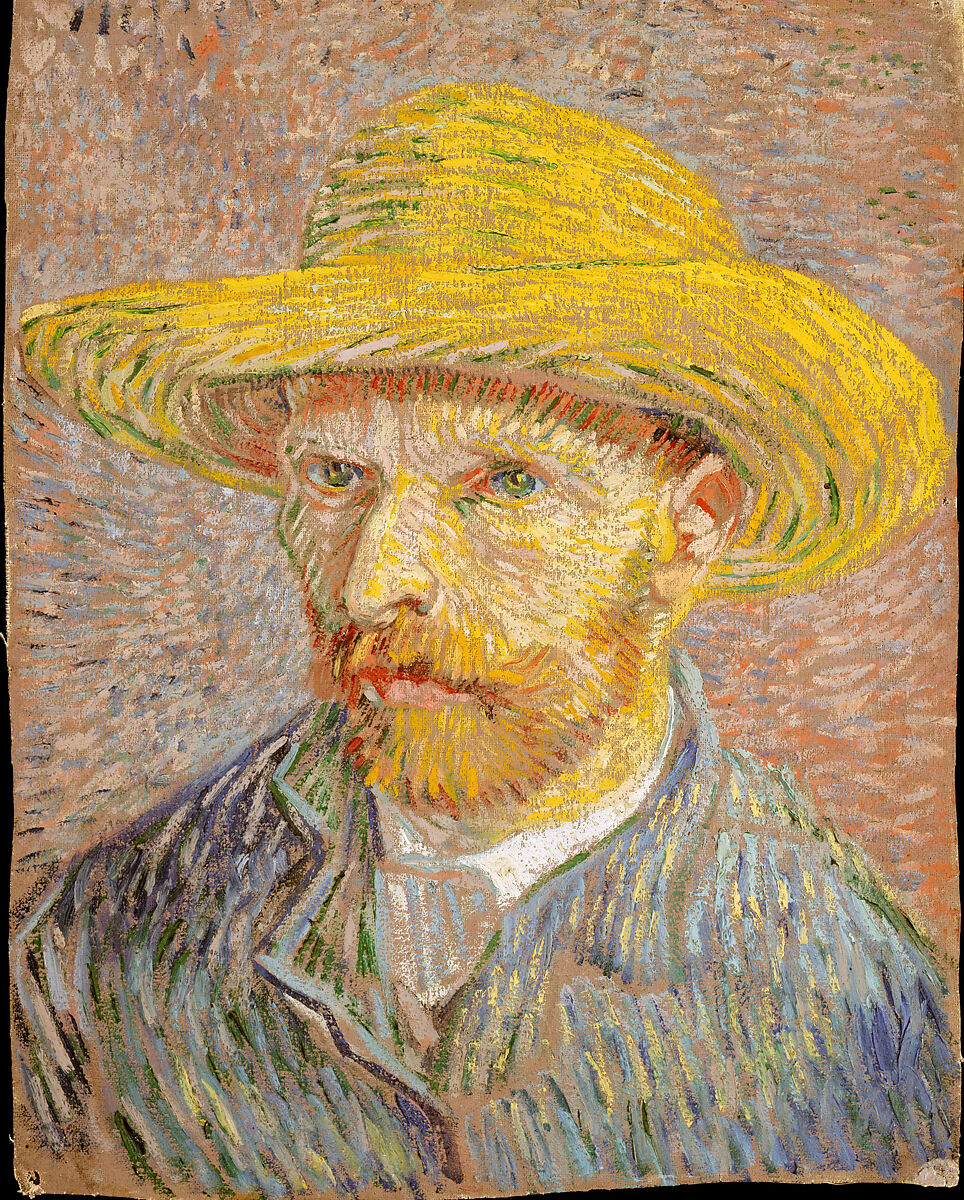
Van Gogh painted himself because he couldn’t afford to paint models. Artemisia used her face to show herself as a painting personified!
And artists like Raphael painted their own sneaky self-portraits into their masterpieces like this fresco on a wall at the Vatican. Do you think he’s trying to catch our eye?
But it’s not just the living who get to have their images captured — different cultures throughout history have depicted their dead in portraits, from Chinese ancestor portraits to mummies.
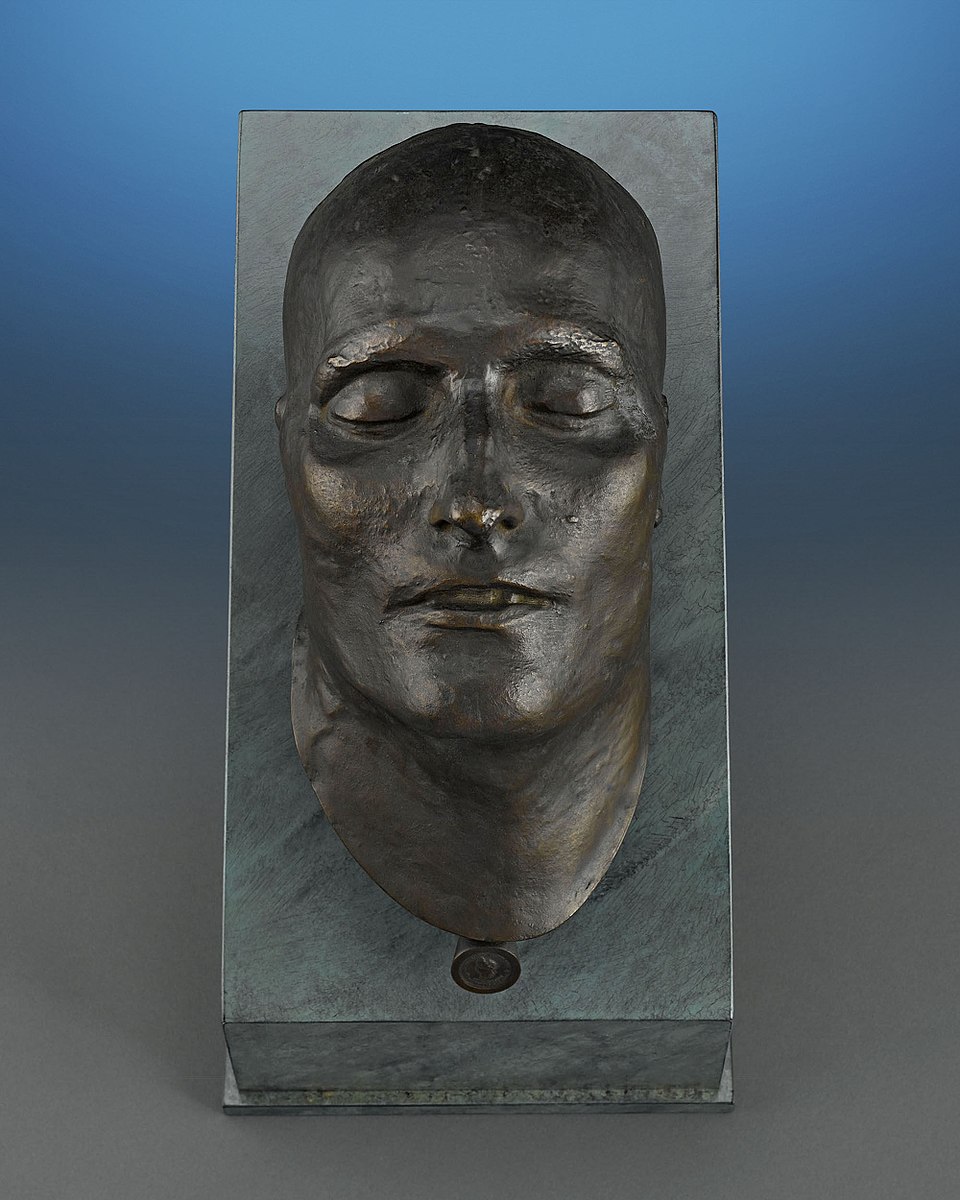
And sometimes we don’t just capture an image of what the dead looked like - we make a mask. Famous figures throughout history have had death masks made of their faces; Napoleon Bonaparte, Oliver Cromwell, Ludwig van Beethoven, James Joyce and Michael Collins.
But masks aren’t just associated with death — they’re used for acting and dancing too. In Japan, masks have been used in the theatre and for self defence. The wearers of this mask from Cameroon would dance at funerals.
Throughout history faces could also be seen as dangerous. In Ancient Egypt, the successor of one of the few female pharaohs, Hatshepsut, had her images destroyed so that her memory would be forgotten and in Europe during the reformation the faces of religious images were attacked and statues were beheaded.
But our faces aren’t just captured on canvas — they can become a canvas. Inuit women have a history of tattooing dating back thousands of years. Facial tattoos can mark rites of passages — like becoming a woman.
Throughout history, new technologies have meant that our faces can become art in new ways - they can be captured on camera or in videos and we can make ourselves look completely different with filters.
By Helena Hunt
-
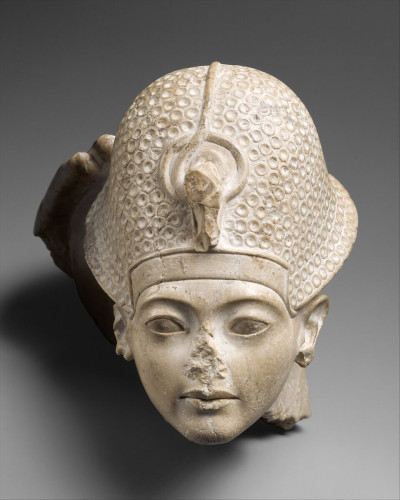
Head of Tutankhamun. Photo: The Metropolitan Museum of Art, Public Domain
-
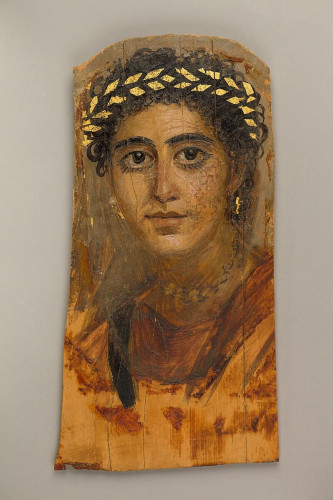
Portrait of a young woman in red (AD 90-120). Photo credit: The Metropolitan Museum of Art, Public Domain
-
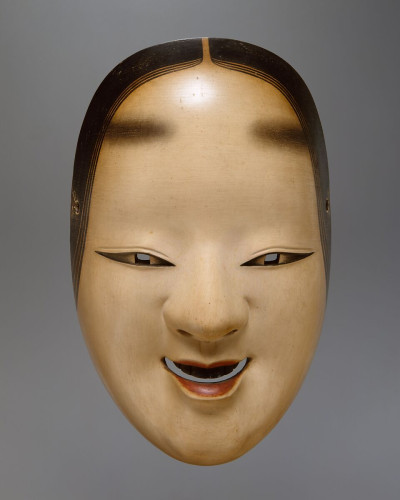
Ko-omote Noh Mask, Japan. Photo credit: The Metropolitan Museum of Art, Public Domain
-
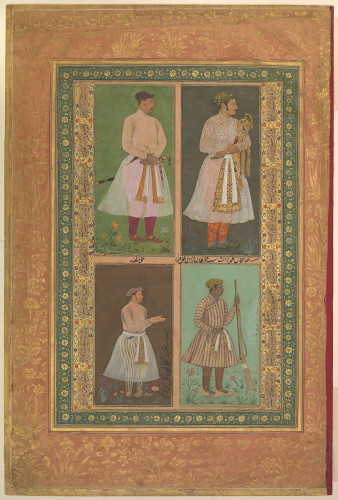
Four Portraits (r. 1605–27), Folio from the Shah Jahan Album. Photo credit: The Metropolitan Museum of Art, Public Domain
-
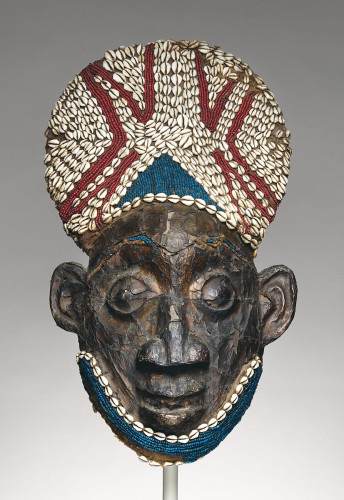
Helmet Mask, Bamum kingdom. Photo credit: The Metropolitan Museum of Art, Public Domain