Plastic
Plastic has shaped the world around us in brilliant and terrible ways. Plastics cause enormous harm to the environment but they can also be used to make the world a better place and save lives. The many ways artists use plastics reflects how complicated this material really is.
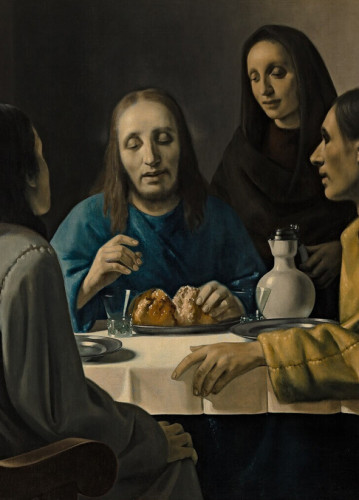
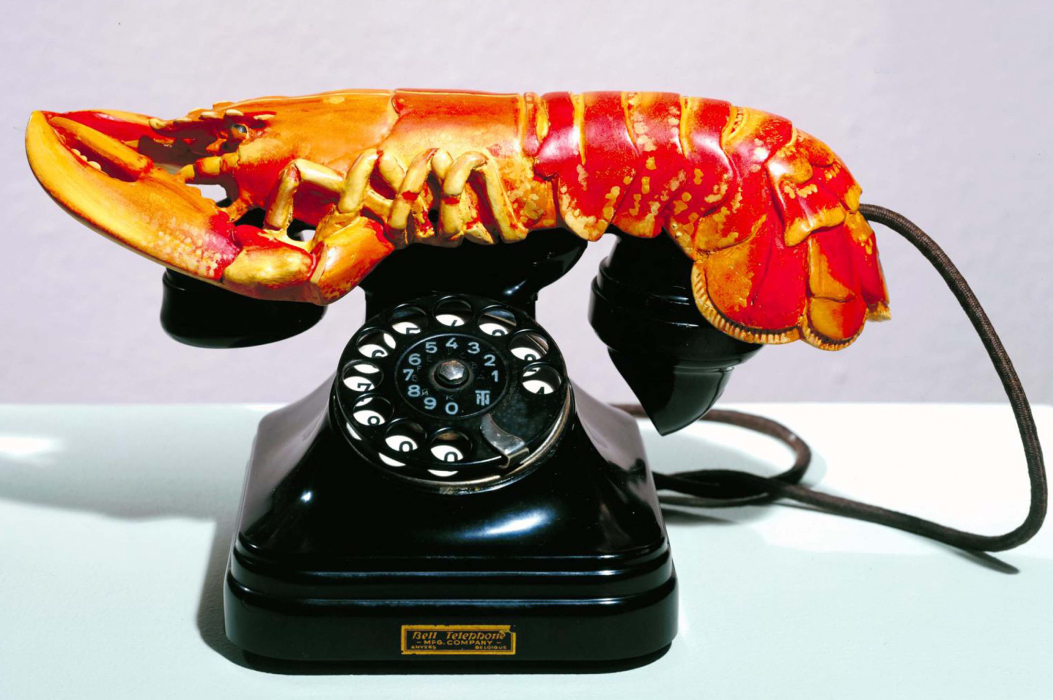
The first synthetic plastic was created in 1907 and called Bakelite after its inventor, Leo Baekeland. It was called ‘the material of 1000 uses’ but Leo could never have guessed one of them would be forgery. Han van Meegeren was a Dutch artist who wasn’t very successful with his own work. However, he was very successful at forging paintings by the famous 17th century artist, Vermeer. Han used bakelite in his paints to make them harden, which made them appear much older than they were. He fooled the experts until it was discovered that one of his forgeries was sold to the Nazi Hermann Göring. Rather than face a trial for selling important Dutch art to the Nazis, he confessed that it was a forgery. Van Meegeren wasn’t the only artist to make art from bakelite. A bakelite telephone was used by Salvador Dali to make one of his most famous works - the lobster telephone.
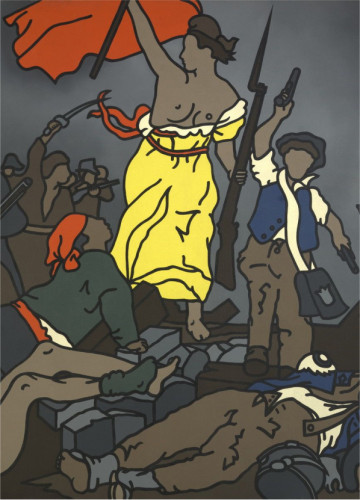
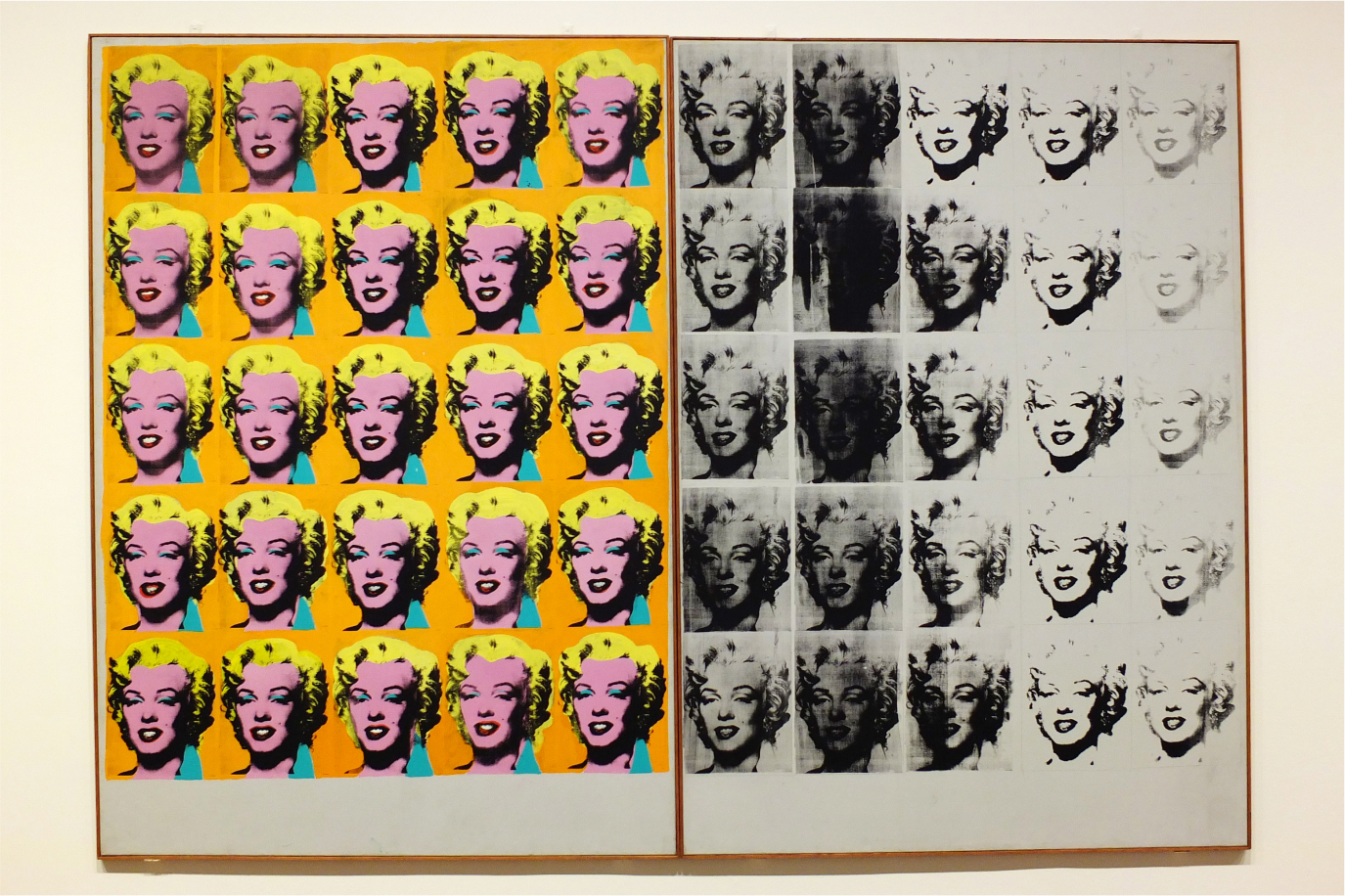
Acrylic paint is made from plastic and has played an exciting role in different styles of modern art. American pop artist Andy Warhol used acrylic paints to print images of Marilyn Monroe while Irish artist Robert Ballagh used acrylic to create pop art inspired by historic paintings. Lee Krasner created emotionally charged abstract paintings using black, white and ochre acrylic paints after the death of her husband, Jackson Pollock, the famous abstract expressionist artist who made his work by dripping paint onto his canvases. Lee could not sleep and she painted at night in her barn. She said "My painting is so autobiographical, if anyone can take the trouble to read it."
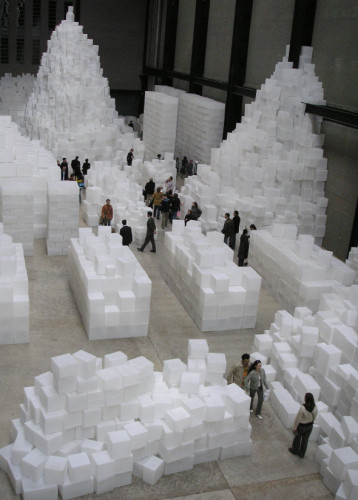
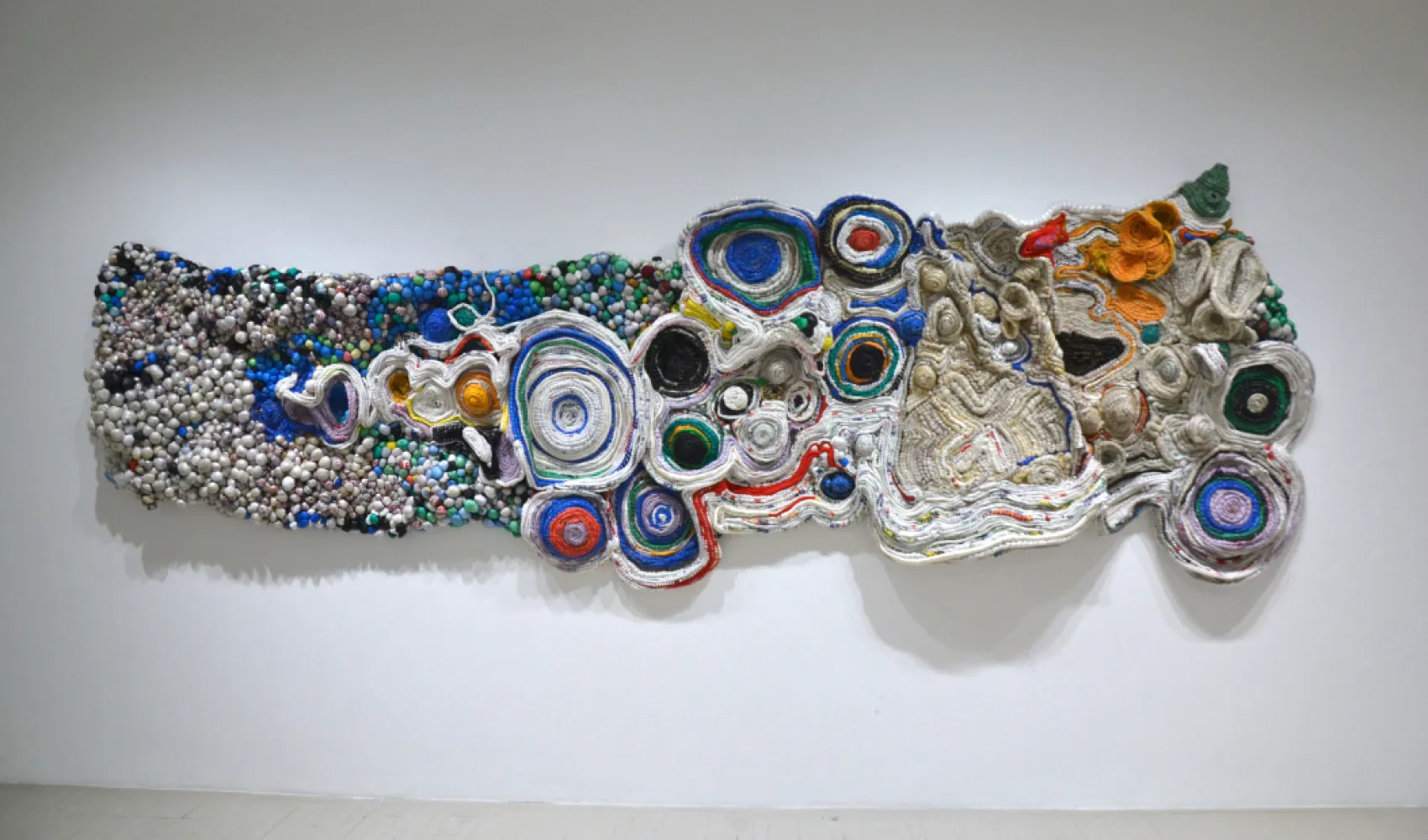
Artists have made work from what we might think of as plastic rubbish. Nigerian artist Ifeoma U. Anyaeji creates her Plasto-Art using plastic bags and bottles. She uses a traditional hair-plaiting technique called Threading as well as weaving skills to create sculptures. Tara Donovan is an American artist who transforms everyday objects in her work. In one piece, she used hundreds of thousands of plastic cups stacked at different heights to create the illusion of rolling waves or flowing clouds. Artist Rachel Whiteread’s sculpture EMBANKMENT took a different type of rubbish and made it into plastic. She cast old cardboard boxes in plaster and then had them remade in plastic. She stacked them messy and organised stacks to fill the huge Turbine Hall at the Tate Modern in London.