
The City
Many of those first ancient cities were made from mud brick and wood, but now we’re often surrounded by glass and metal.
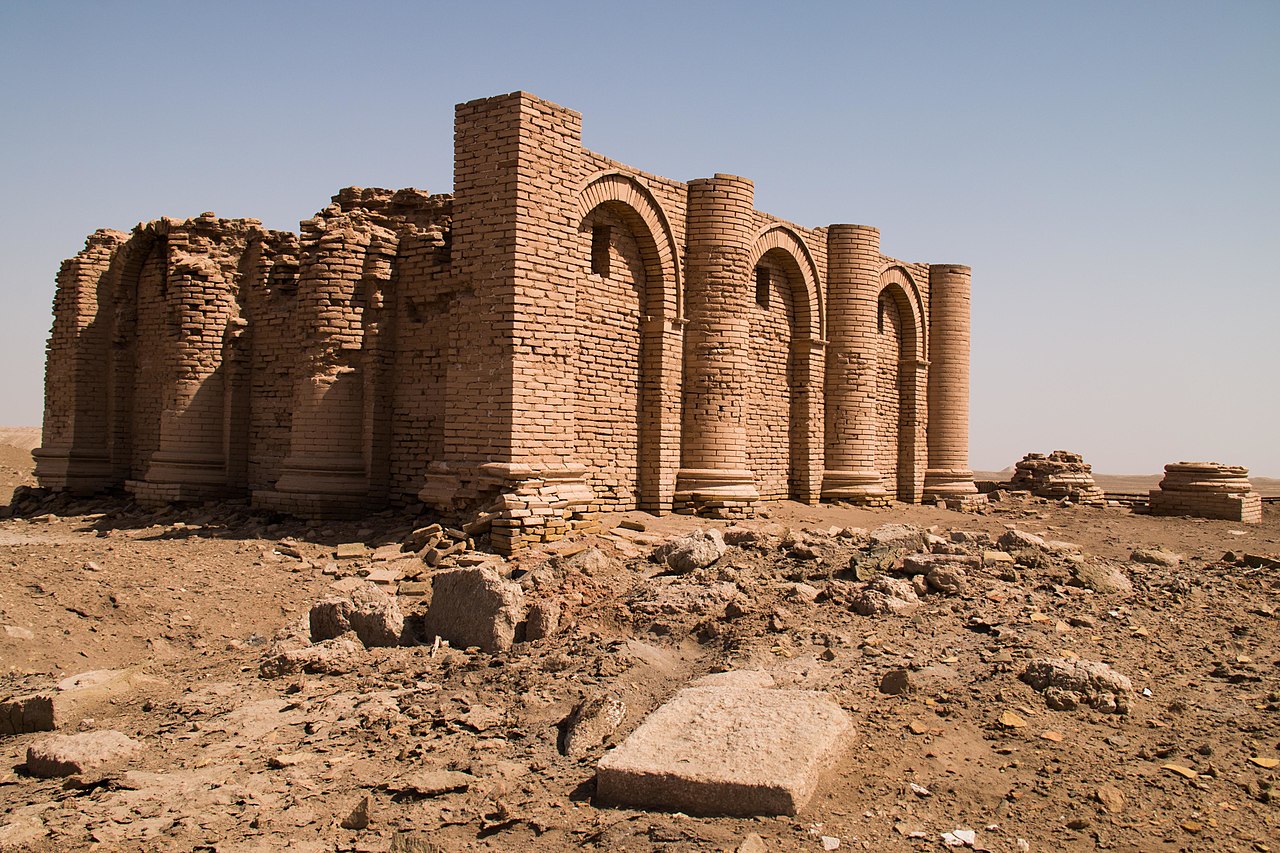
Along the way, we’ve experimented with a LOT of building styles.
Classical architecture in Ancient Greece loved columns, Modernism in Brazil broke the rules while Gothic buildings in France reached for the sky.
We’ve dabbled with domes from the Four Courts here in Ireland to St Peter’s in Rome, and from the Hagia Sophia in Istanbul to the Taj Mahal in Agra.
The Egyptians, the Mayans and the Aztecs all put up pyramids and around the world spires have a lot of admirers - from medieval cathedrals to ultra modern skyscrapers.
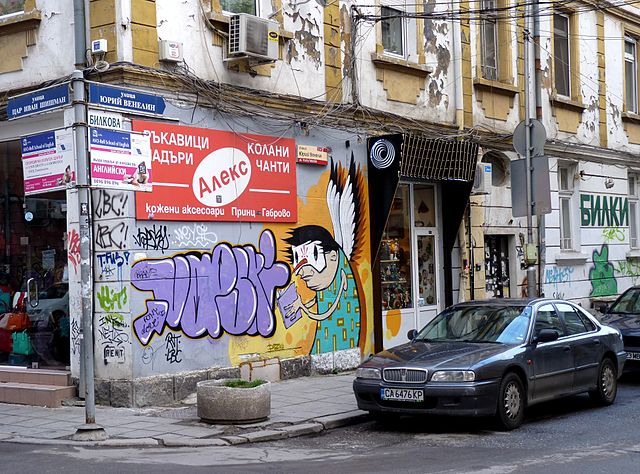
Some cities look like artworks in their own right. Not just because of their buildings but because of what appears on their walls. Graffiti artists around the world breathe life into city streets and often use their images to make a statement. Just look at these examples.
Cities aren’t just places where we live and work - they’re where we can come together and create. And they can inspire us too.
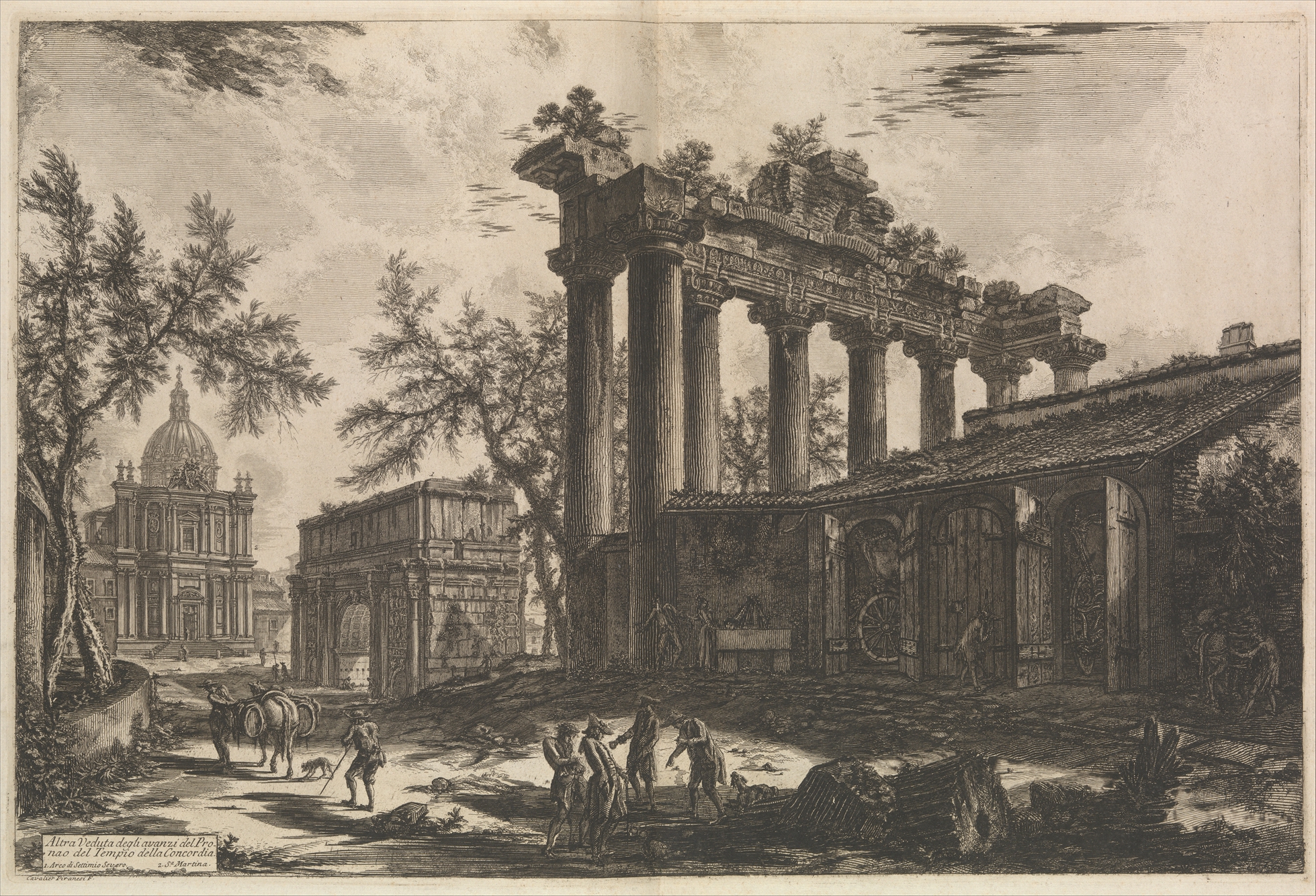
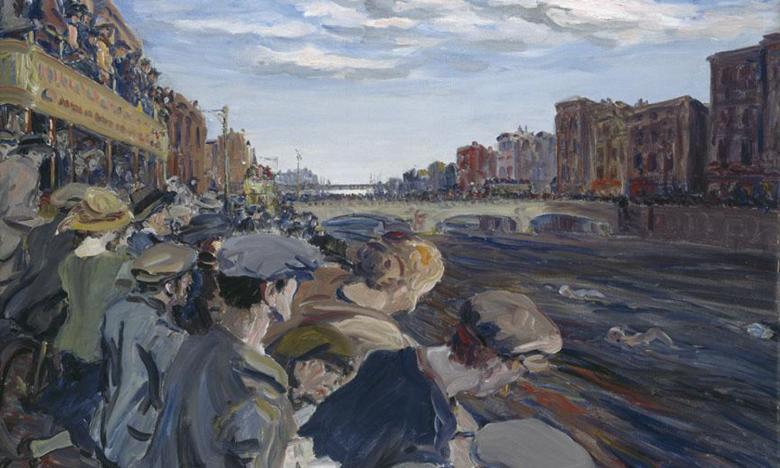
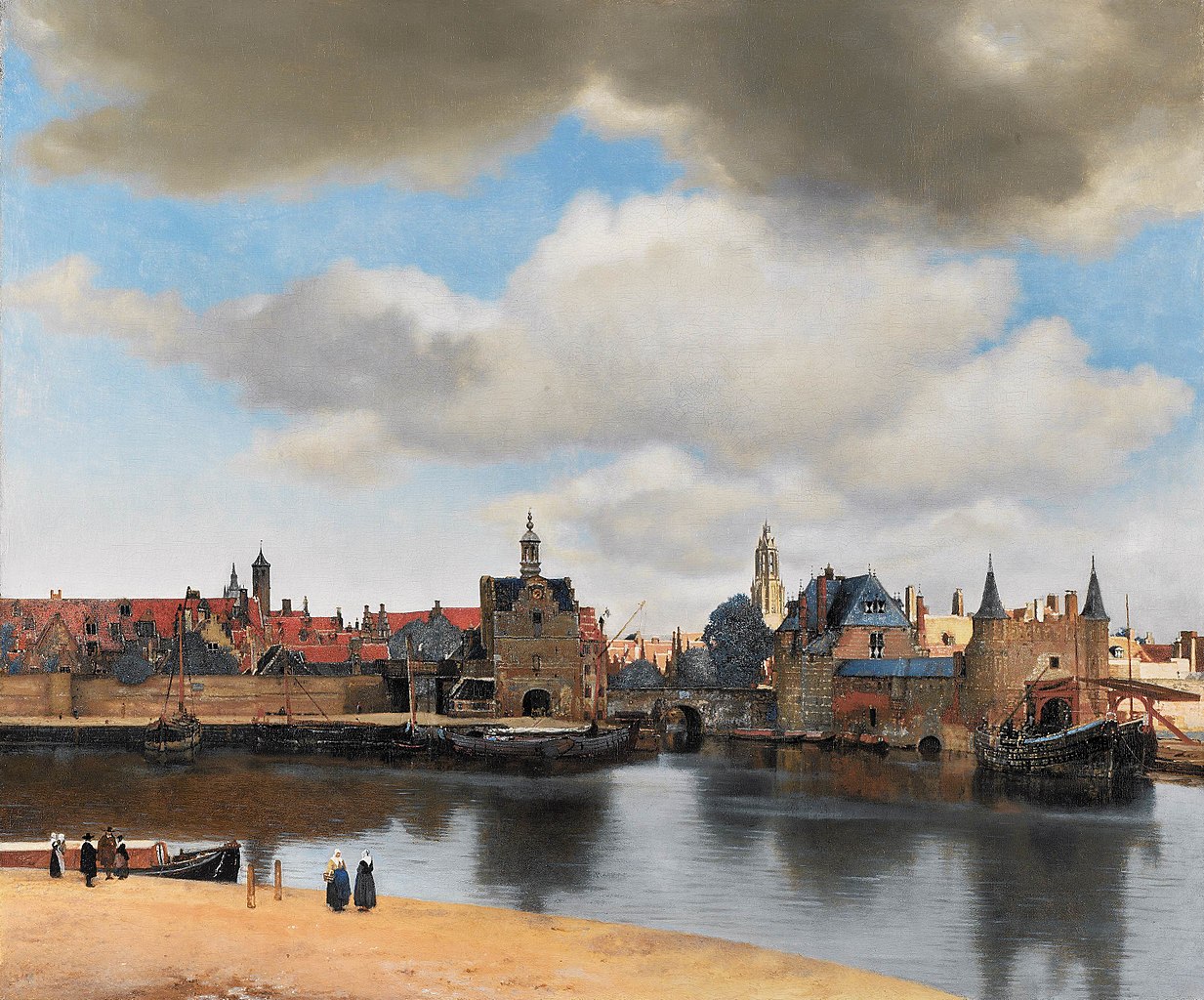
Just like Yeats when he painted crowds gathering in Dublin for the Liffey swim. The Dutch artist Vermeer might be most famous for his ‘Girl with a Pearl Earring’ but he also painted his aunt’s house in his hometown in Holland. Piranesi created prints of crumbling Roman ruins but also imaged fantastical views of what the city might once have looked like.
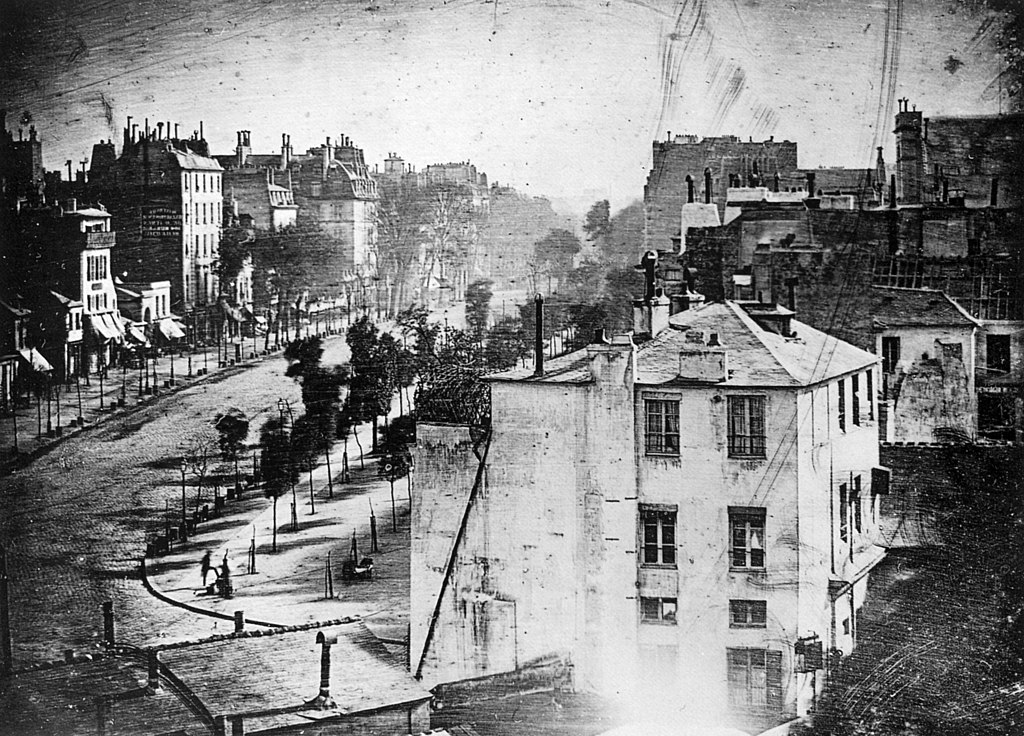
Cities are even the stars of some of the earliest photographs. A boulevard in Paris was captured on camera by one of the first photographers, Daguerre. But there’s something spooky about the image - Paris looks like a ghost town.
Where are all the people? The image took so long to expose that their movement made them invisible. Except, that is, for a man who kept still enough because he was having his shoes polished. He might be the first person ever to appear in a photo.
Throughout their history, cities are places of change, transformation and revolution - and an endless source of inspiration.
By Helena Hunt