
The Body
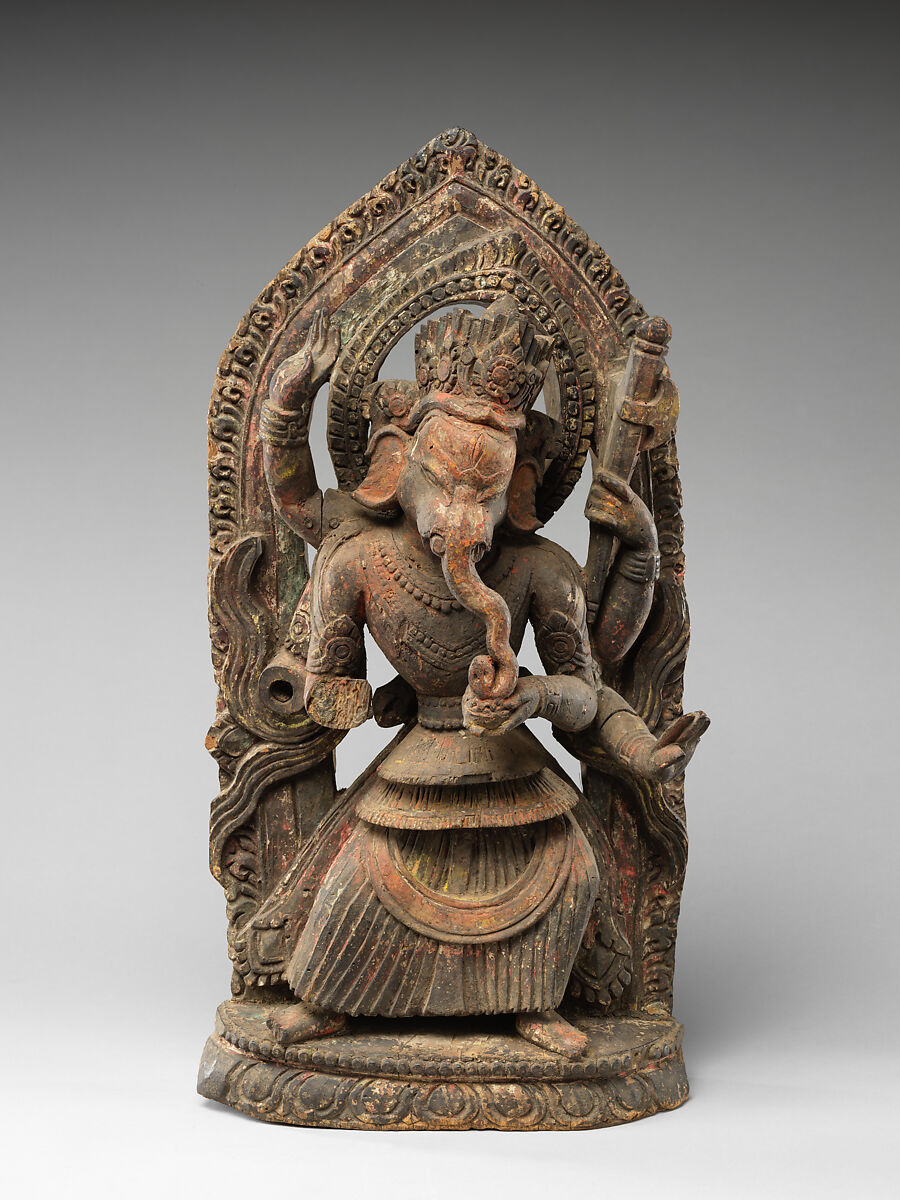
Some of the first bodies in art were carved by our ancestors out of mammoth ivory about 40,000 years ago. Since then, we’ve depicted all sorts of bodies from the real to the divine in all sorts of different ways.
Many of them might not look super realistic — and that’s often because they’re not supposed to, but some artists worked hard to get the bodies in their art just right.
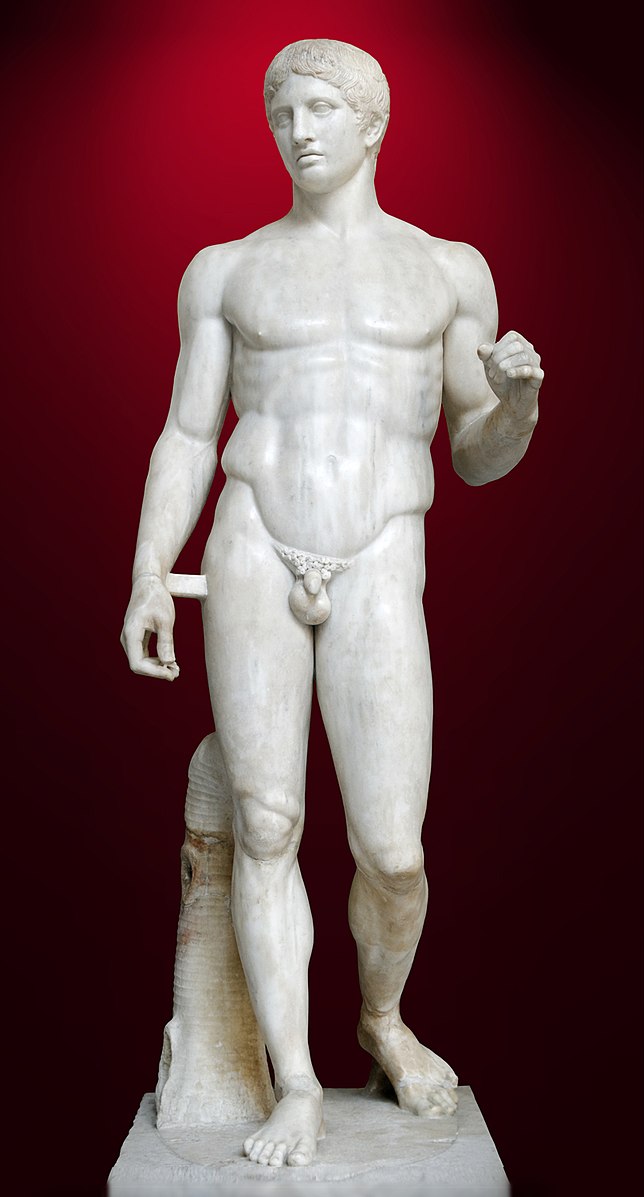
In Ancient Greece, one perfectionist called Polykleitos created a sculpture of an idealised man carrying a spear with his weight on one foot. The curved shape that this made through his body, is known as contrapposto. It’s a pose which has influenced artists ever since.
During the Renaissance artists like Da Vinci were preoccupied with proportions. And he didn’t just look at the outside of the body — he looked inside too, dissecting corpses to understand how they worked.
Da Vinci isn’t the only one to combine biology with art. Artists have illustrated groundbreaking books on anatomy and medical students once learnt about the body from life-like wax models.
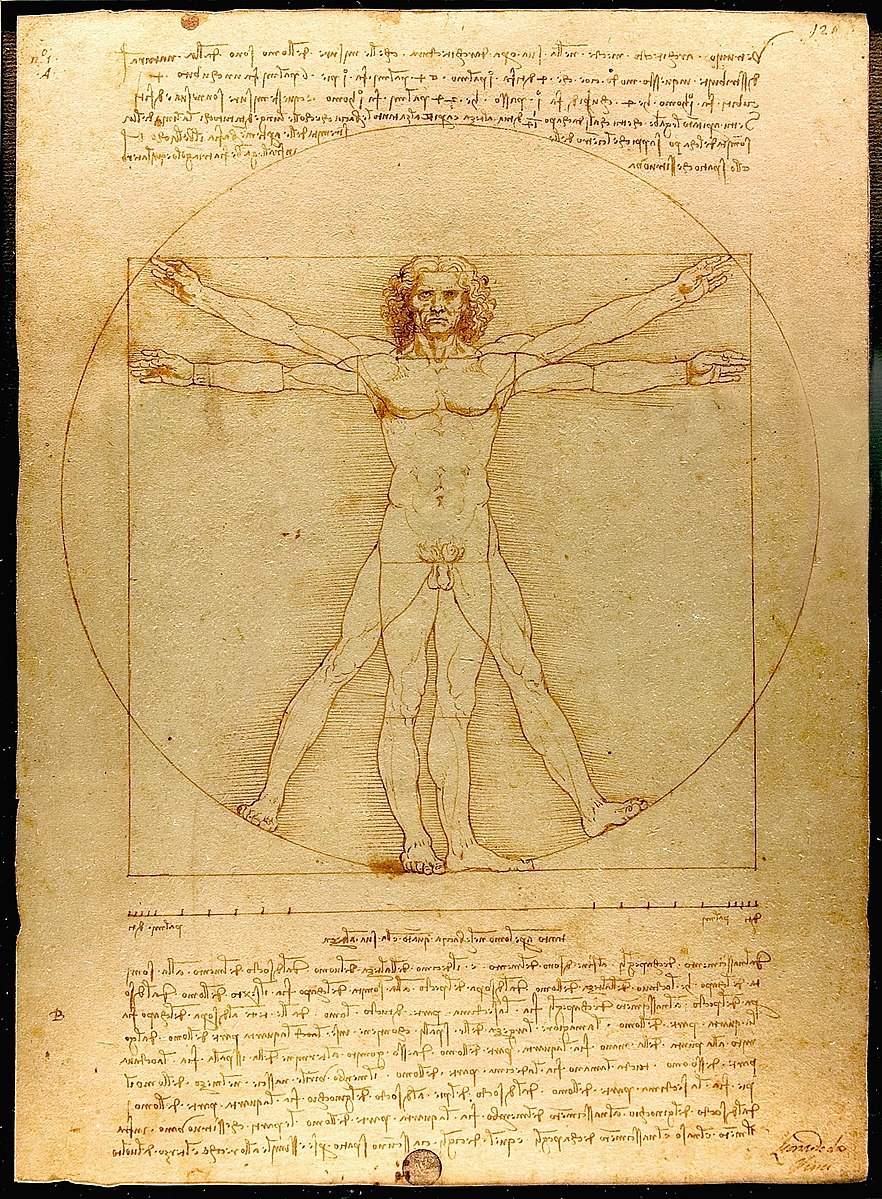
Art students study different types of models — theirs are alive. And they often don’t have any clothes on. For a long time female artists were not allowed in life drawing classes with naked models. It was supposed to protect their modesty — but they weren’t very happy about it.
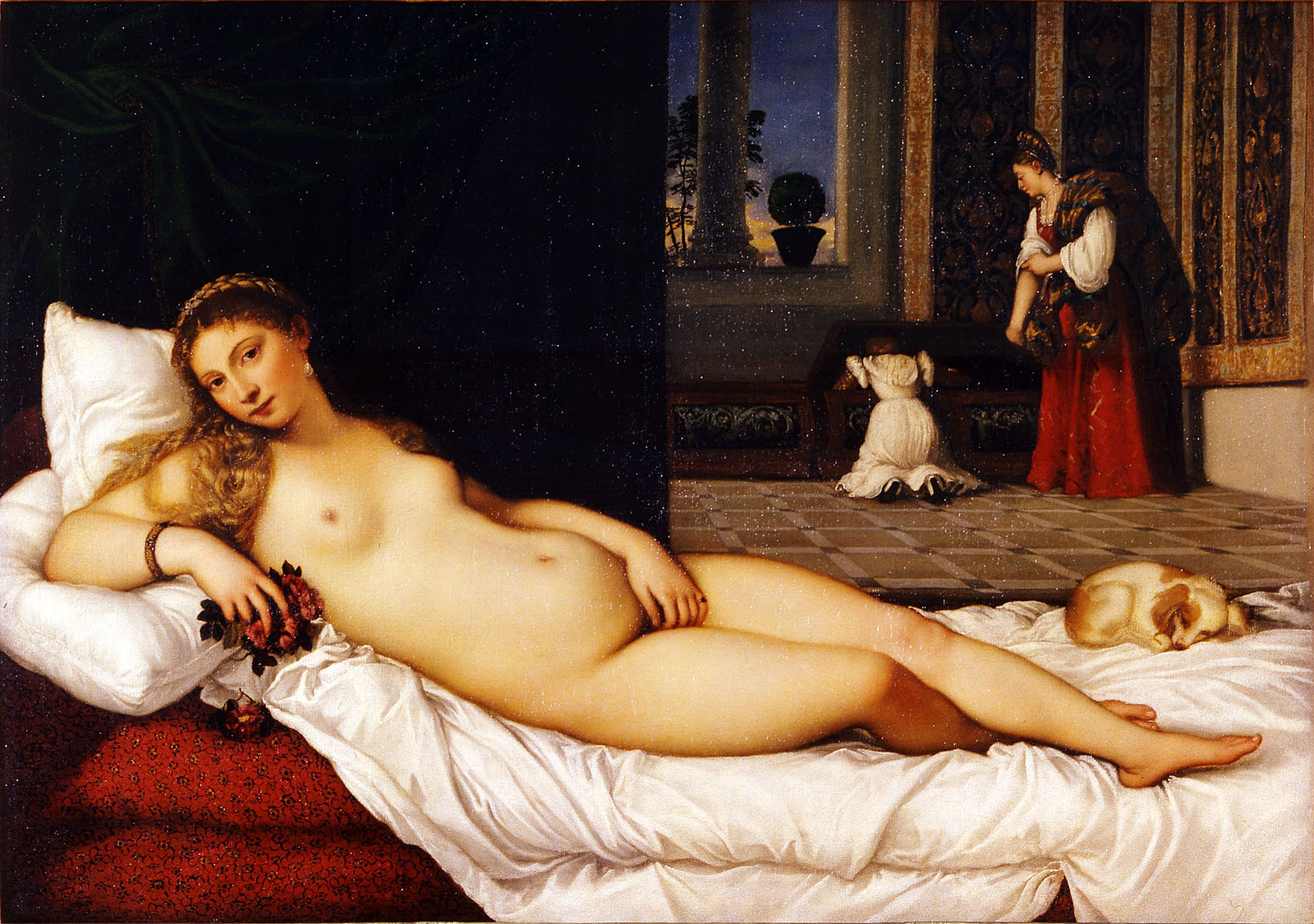
Despite these strict rules, many of the naked bodies we see in art do actually belong to women. And very often, historically, they were painted by men, for men.
Outside of the classroom people have also been worried about nudity. Some statues have even been covered up with fig leaves.
We have a long history of making our bodies themselves into art from tattoos to body paint, henna to scarification.
Some artists have gone even further and used blood, breath, skin, urine and hair to make their work. One even put his poo in a can and sold it for its weight in gold.
And whether it’s our ancestors using their hands as stencils on cave walls to our very first finger paintings at school — we’ve used our bodies as tools in our art and not just for painting.
Around the world bodies have danced in ceremonies and performed on the stage for millennia and some contemporary artists have risked everything in their performance art by pushing their bodies to their limits or putting their lives in danger.
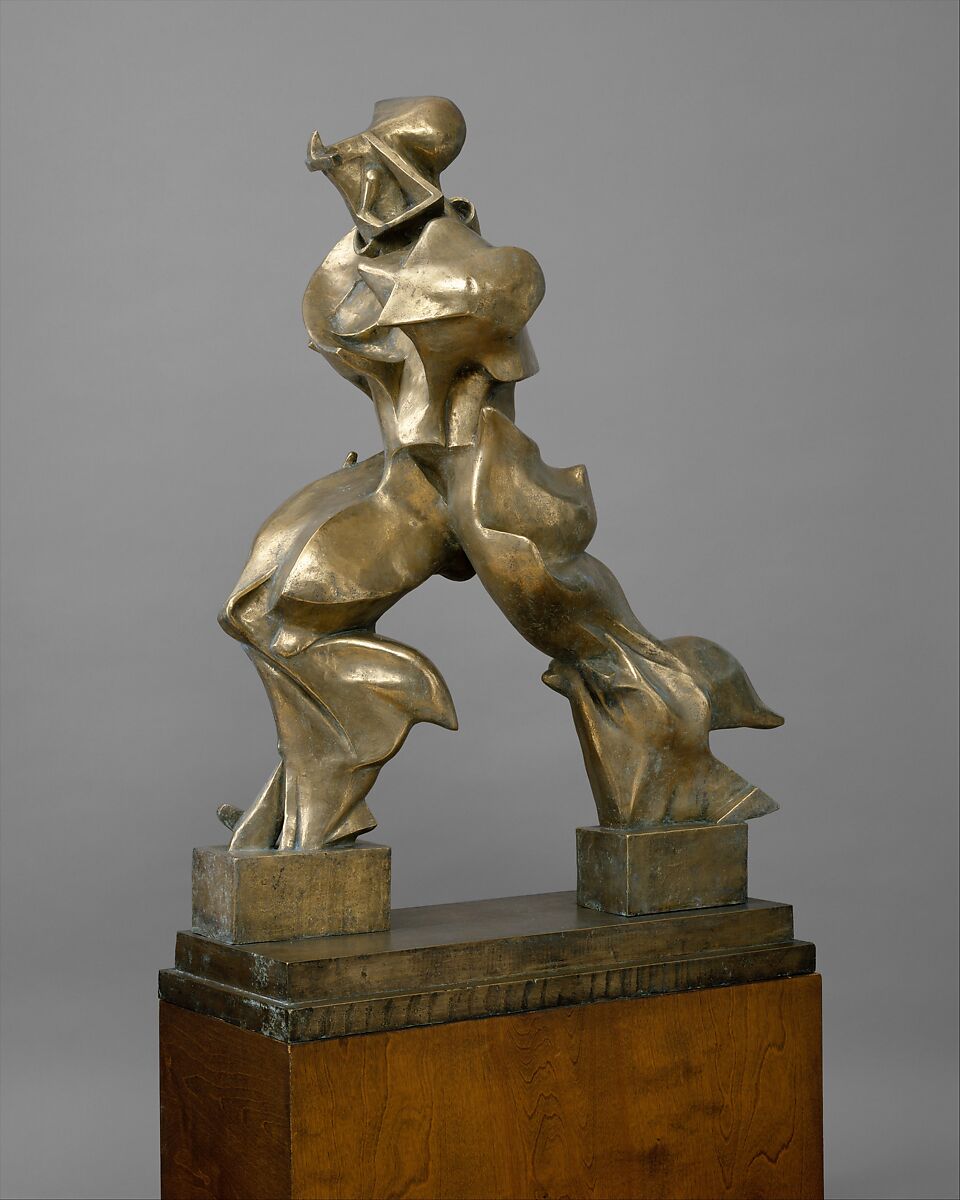
However we use them — from inspiration to creation — our bodies make art incredible.
By Helena Hunt