Paper
Cai Lun went down in history as the first person to make paper in 105 CE. Cai was an official at the Chinese Imperial Court and the paper he made was a combination of tree bark, rags, hemp waste and fishnets. The discovery spread throughout the world and today, from books to tissues, so many things we might take for granted are made from paper.
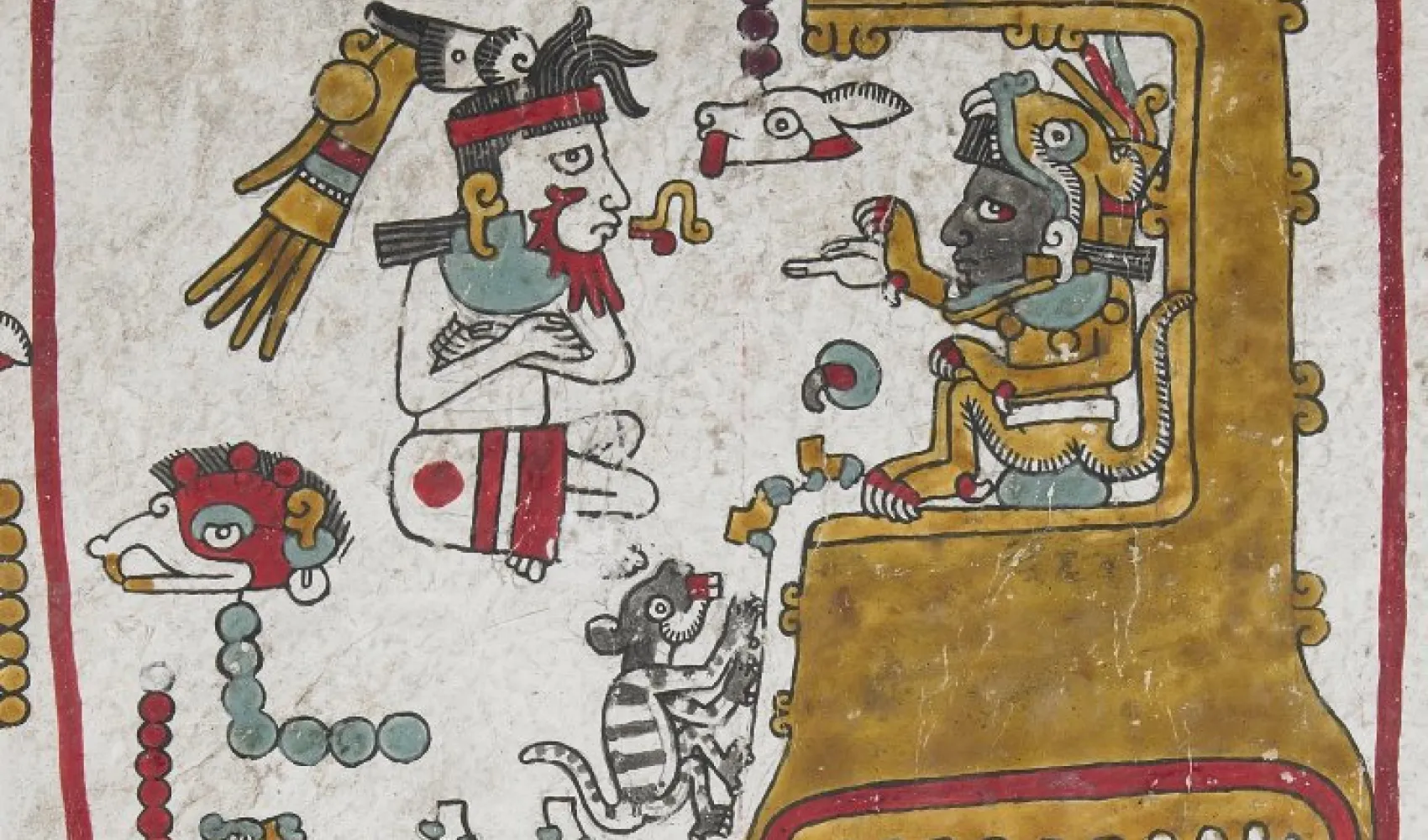
Paper gets its name from Egyptian papyrus, which is not really paper at all! It is made from reeds layered at right angles. Around the world we find different types of paper or alternatives. Mesoamerican cultures made folding books from paper formed from bark but also used animal skins. Vellum is calfskin and was used by the creators of the Book of Kells, a manuscript containing the gospels in Latin which is decorated with ornate and colourful patterns.
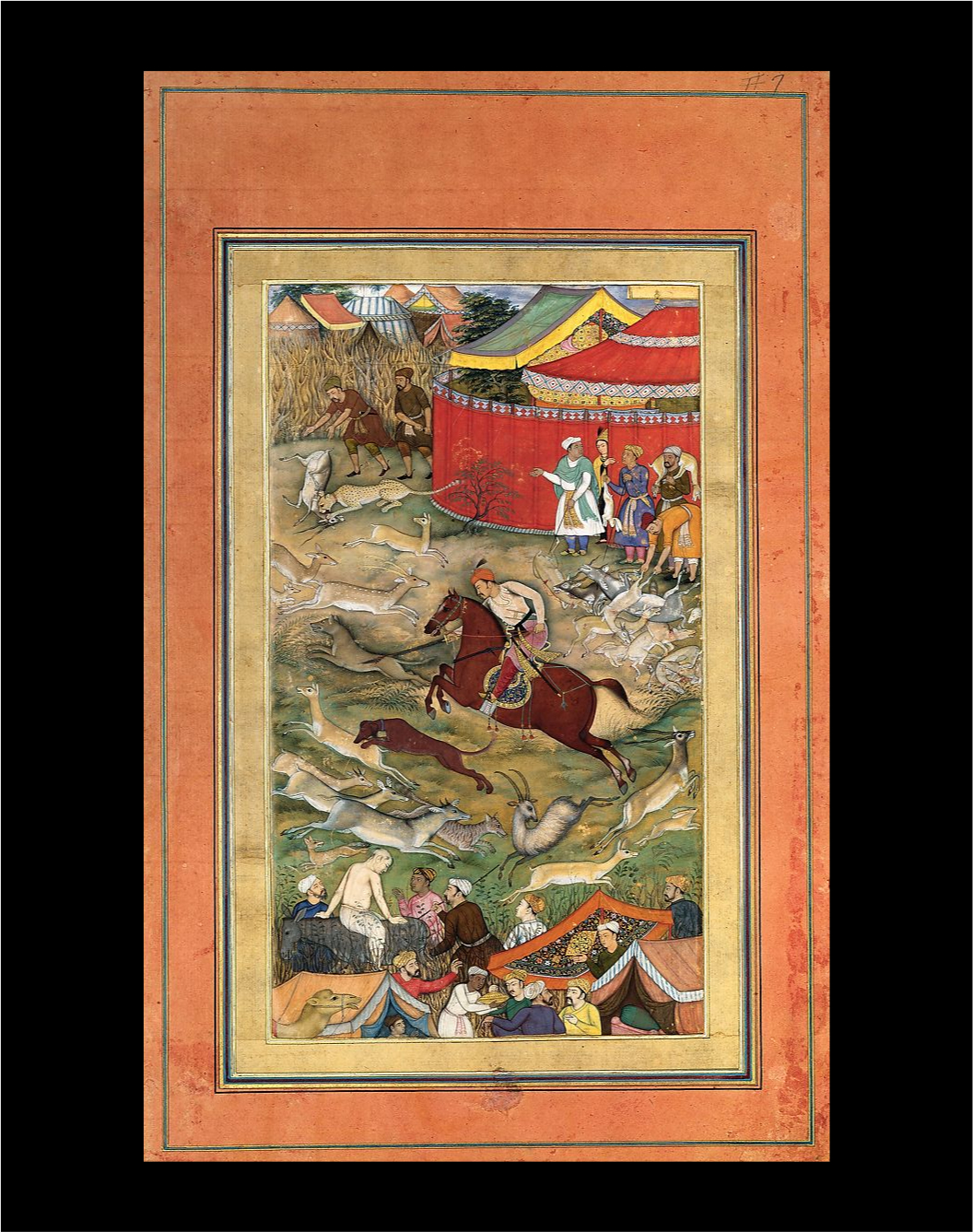
The Mughals are famous for their painted pages. Akbar became ruler of the Mughal Empire in 1556 aged just 13 years old. When he inherited his throne he had also inherited a book workshop and as his empire expanded to cover most of the Indian subcontinent, stretching into Afghanistan in the north, many artists from different places came to work for him. In the 1590s the Emperor Akbar ordered a book to be written telling the story of his life. It is called the Akbarnama. A surviving, unbound copy includes over a hundred intricately detailed and vibrant pages depicting hunting, battles, assasination attempts and celebrations.
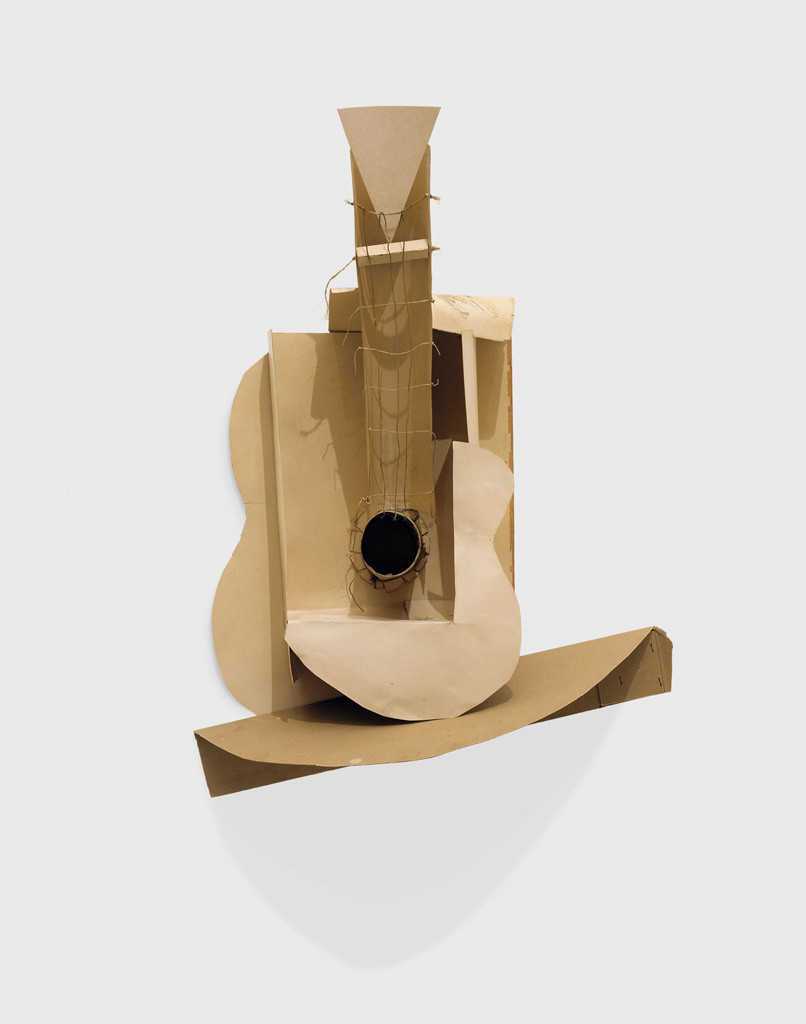
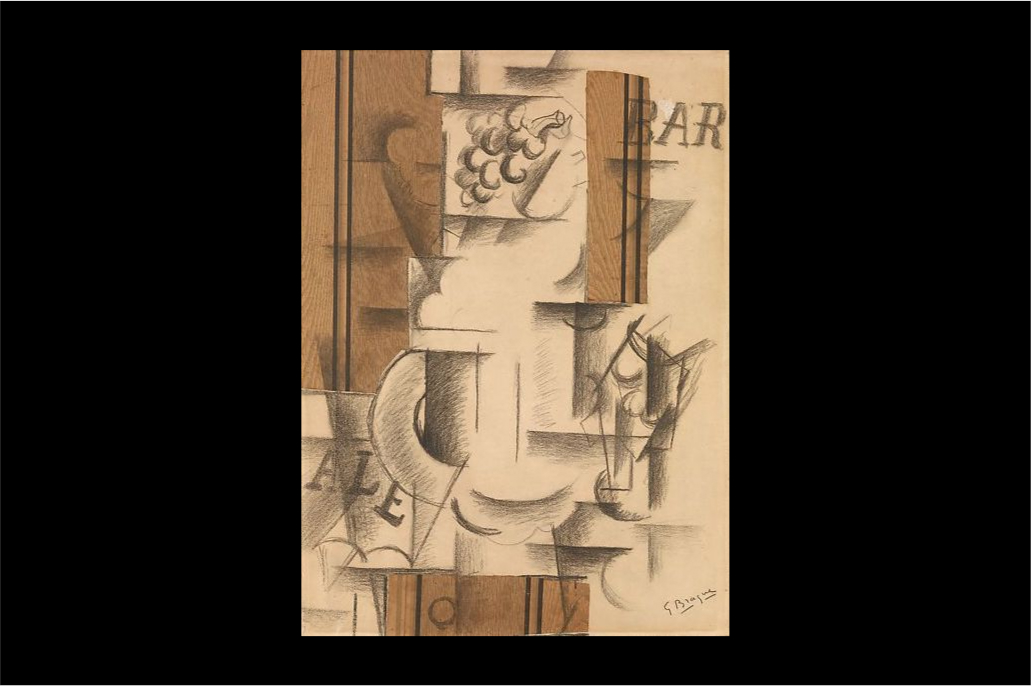
Artists around the world have created art by sticking paper to things but Georges Braque has gone down in history as the inventor of the collage. Inspiration came from a surprising source - some fake wood-grain wallpaper he spotted in a shop. Georges stuck the paper on to a sketch he had drawn of a fruit dish and glass and in doing so created a boundary breaking artwork which brought the real world into an image. Georges was the co-founder of Cubism with his friend Pablo Picasso and this was a key moment in their experiments in Cubism. A simple wallpaper had changed art history! Picasso was shocked but went on to create many collages of his own. His experiments with paper didn’t stop there - he made sculptures too!
Artists haven’t just used paper to paint or draw on. Mary Delany created scientifically accurate depictions of flowers using a unique method she called ‘mosaik’. She cut hundreds of tiny pieces of coloured paper and stuck them on to a black background, layering different hues to create realistic light and shadow. When it came to making these exquisite works Mary was a late bloomer. She started when she was 72! But she more than made up for it with the 985 works she crafted.