Clay
Clay is a natural, earthy material and its incredible ability to be transformed from soft and shapeable to hard and strong when heated has played a vital role in human history. Over millennia we have used clay to make homes and pots, medicine, and masterpieces. Pottery dating back 20,000 years has been discovered in China but humans were making art from clay even before then.
Cuneiform is the oldest type of writing and was invented over 5,000 years ago in what is now Iraq. Scribes wrote on soft clay tablets using a pen fashioned from a reed. The Chester Beatty has over a hundred clay tablets covering around 2,000 years of writing. They reveal details from daily life, from the price to hire a donkey, to offerings of grain and butter to gods, to proverbs.
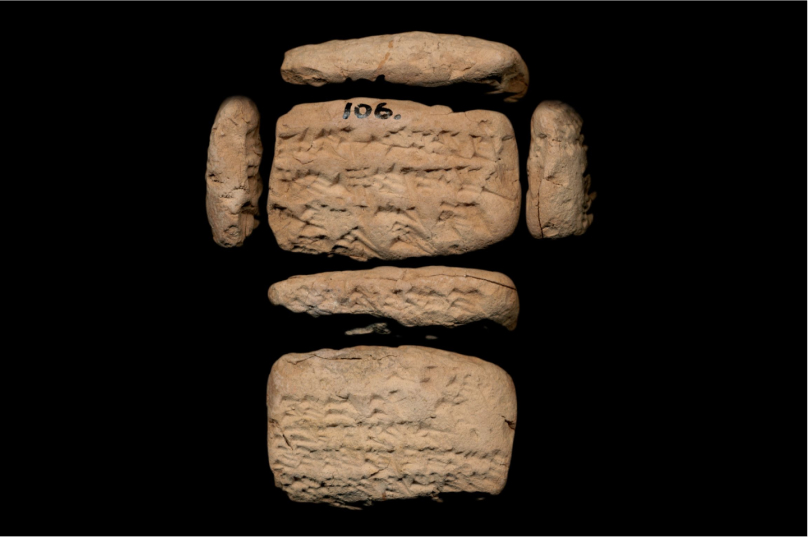
The Chester Beatty houses over a hundred Babylonian and Sumerian clay tablets with ancient cuneiform writing. People living in Mesopotamia over 4,000 years ago inscribed minute details of their lives on wet clay tablets, which were then baked. Many such tablets have survived to our day, giving us clear evidence of the antiquity of writing.
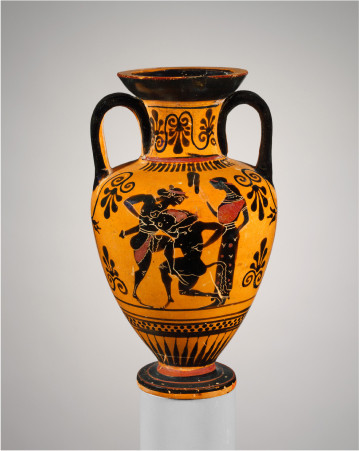
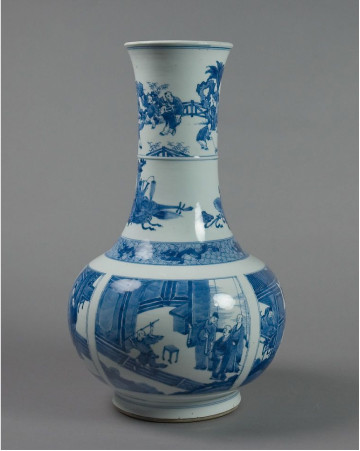
Clay can tell us stories as well as about daily life. The Ancient Greeks decorated their red and black pots with scenes from their myths, gods and heroes, such as Theseus battling with the Minotaur. In China, blue and white porcelain vases have been decorated with stories such as The Romance of the Western Chamber - a love story about a couple who go through dramatic events to be together.
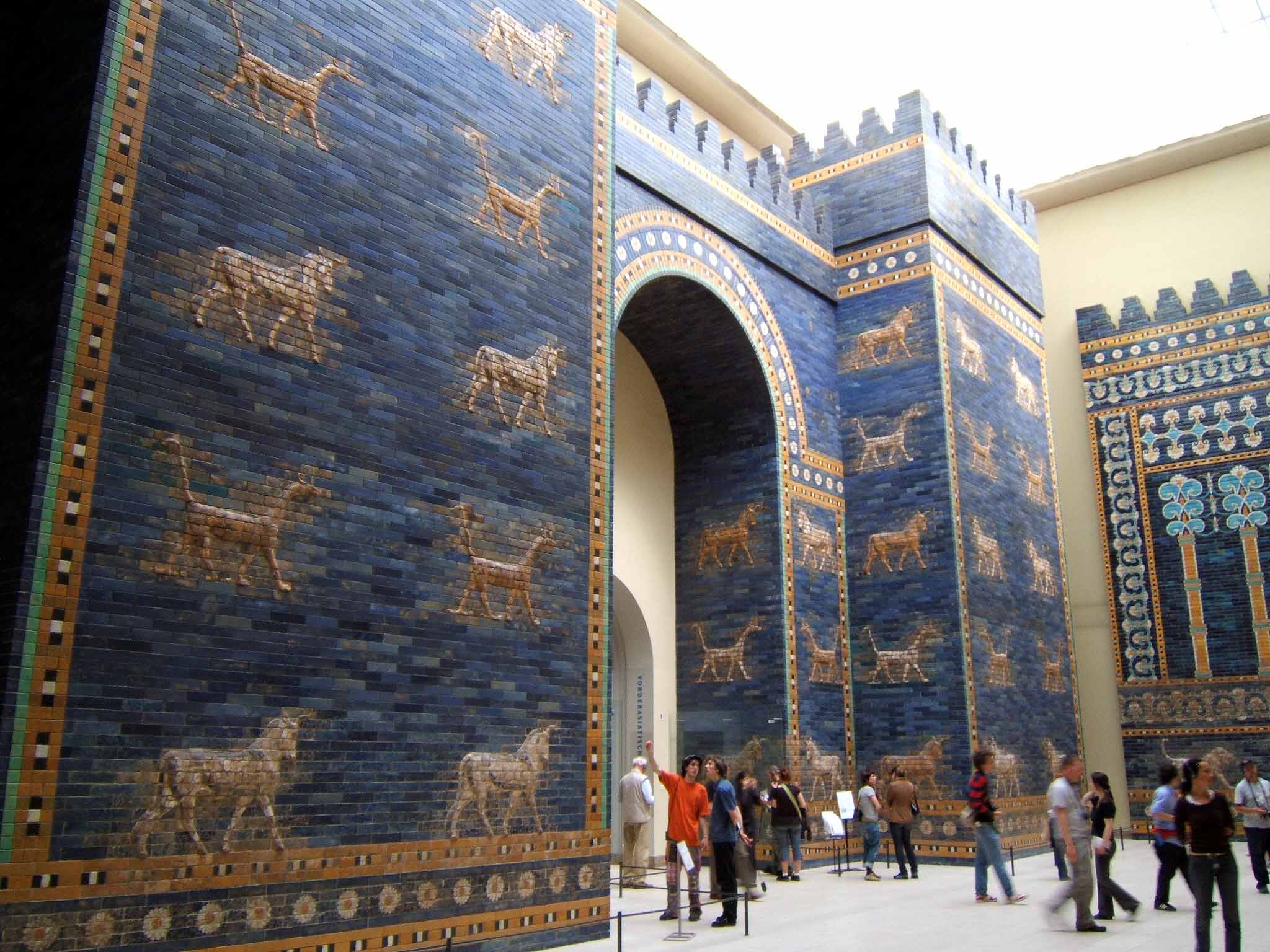
Around 575 BC, the King of Babylon had an enormous gate built from clay bricks to lead into the inner part of his city. The gate is known as the Ishtar Gate after the goddess of war and love that it is dedicated to. Most of the bricks on the gate’s surface have been glazed vivid blue but sticking out just slightly from the façade are depictions of dragons and bulls.
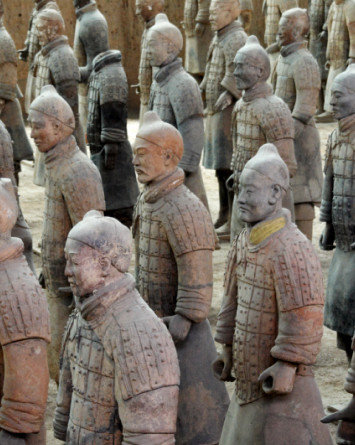
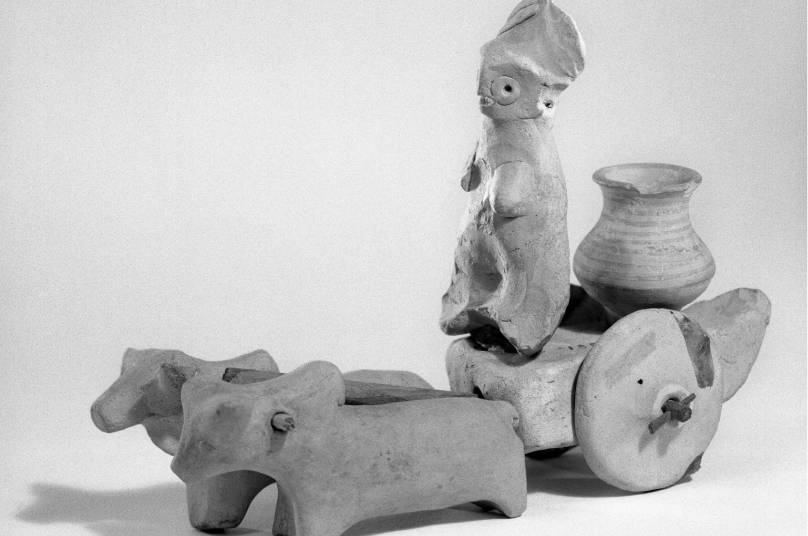
Terracotta is a type of clay which has been used to make sculptures by many different cultures. In China, the first Emperor had a Terracotta Army of thousands of soldiers made for his tomb. In ancient Italy, the Etruscans made sarcophagi out of terracotta and modeled reclining people on the lids as if they were at a banquet. Tiny toy carts made from terracotta over 4000 years ago have been found in the Indus Valley. Some carts have tiny terracotta bulls to pull them!
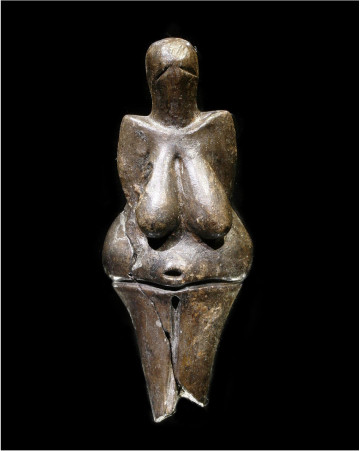
The The Venus of Dolní Věstonice, found in the Czech Republic, is one of the oldest clay sculptures. The figure was made about 25,000 years ago and depicts the body of a woman. Perhaps the most exciting thing about the figure is that before it was fired, someone left a fingerprint on the left side of the figure! Analysis has revealed that the fingerprint was made by a child!